Improve Student Achievement: 14 K-12 Strategies (2026)
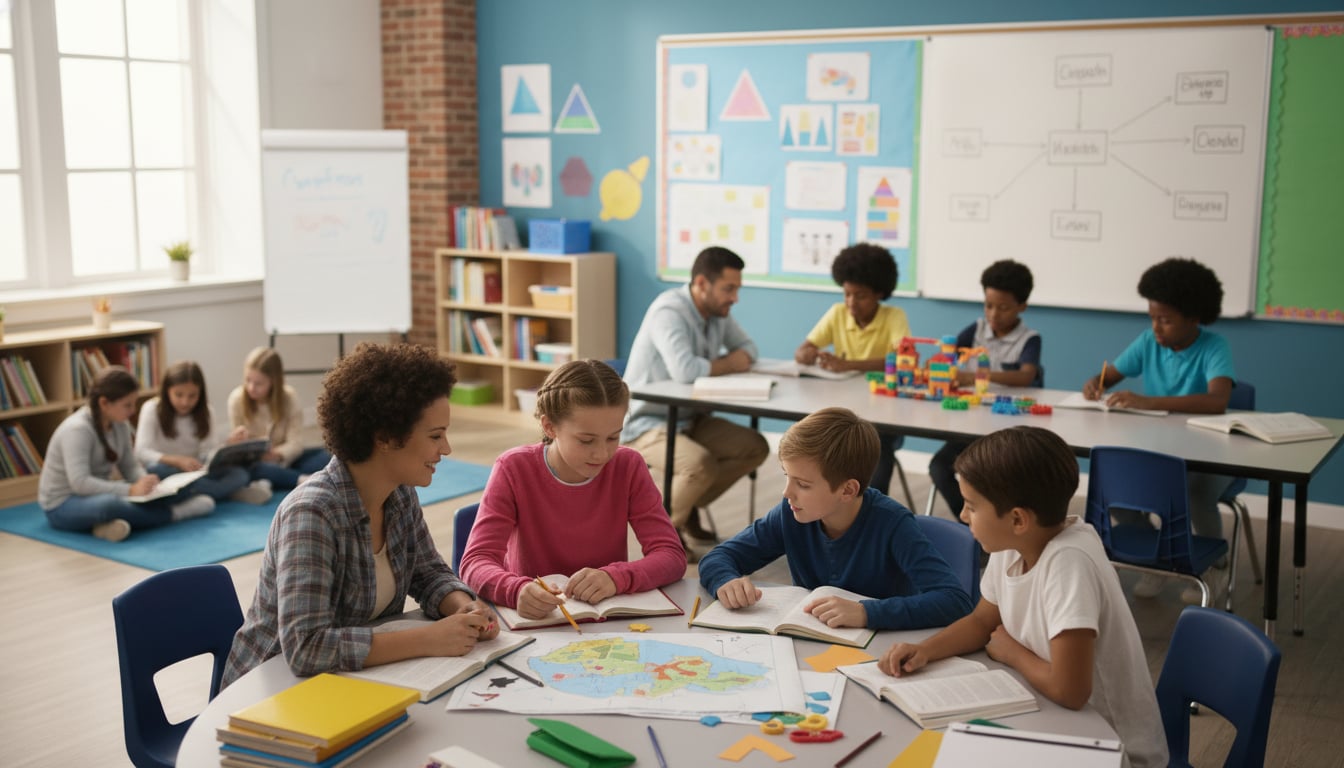
Every educator shares a common goal: to improve student achievement and foster a lifelong love of learning. But in today’s diverse classrooms, the path to that goal isn’t always a straight line. The good news is that decades of research and classroom innovation have given us a powerful toolkit of strategies that work.
This guide breaks down 14 key educational practices, from personalized learning to equitable AI implementation. Think of it as a roadmap to creating a more effective, engaging, and supportive learning environment. Whether you’re looking to refine your teaching methods or explore new tools, these proven approaches can help you improve student achievement for every learner in your classroom.
Personalize Learning for Every Student
Personalized learning moves away from the one size fits all model, customizing the educational experience to each student’s unique needs, skills, and interests. Instead of everyone following the same path at the same pace, students have more agency. They might work through individual learning plans, progress based on mastery (not the calendar), and have choices in how they learn a topic.
This approach often uses technology to tailor content, but the core idea is about instructional design. When students work on challenges appropriate for them, engagement naturally rises. A RAND Corporation study found that students in personalized learning schools made slightly larger gains in mathematics compared to their peers in traditional settings. The goal is to make learning feel relevant and achievable, which is a powerful way to improve student achievement.
Differentiate Instruction to Reach All Learners
Differentiated instruction is the practice of adapting your teaching to meet the diverse needs within a single classroom. This means modifying the content (what students learn), the process (how they learn it), or the product (how they show what they know). For example, you might offer reading materials at different levels or let students choose between writing an essay and creating a presentation.
The principle is simple: meet students where they are. This proactive approach ensures that struggling learners get the support they need while advanced learners stay challenged. Research shows that well implemented differentiated instruction has a positive effect on student learning and is particularly effective in inclusive classrooms. It’s not about lowering standards; it’s about providing multiple pathways to reach them. For strategies tailored to multilingual learners, see Teaching English Language Learners: 2026 Teacher’s Guide.
Creating varied materials for every lesson can be time consuming, but modern tools can help. AI platforms like TeachTools can generate multiple versions of a worksheet or reading passage in seconds, making differentiation more manageable for busy teachers.
Provide Targeted Support for Learning Differences
Every classroom includes students with a wide range of learning differences, including dyslexia, ADHD, and autism spectrum disorder. Targeted support involves providing specific strategies, accommodations, and interventions to help these students thrive. This could mean offering audiobooks for a student with dyslexia, using graphic organizers for a student who struggles with planning, or providing a quiet space for a student who gets overwhelmed.
The goal is to provide equitable access to the curriculum. Fair isn’t everyone getting the same thing; it’s everyone getting what they need to succeed. Targeted support ensures that a learning difference doesn’t become a barrier to learning. By using assistive technology and tailored teaching methods, we can help every student unlock their potential and improve student achievement.
Use Data Driven Instruction to Guide Teaching
Data driven instruction means using evidence from student learning (like quiz results, exit tickets, and benchmark scores) to make smarter teaching decisions. Instead of relying on gut feelings, you look at the data to see what’s working and what isn’t. For example, if a quiz reveals that most of the class struggled with fractions, you can plan to reteach the concept in a different way.
This creates a responsive cycle of teaching, assessing, and adjusting. A meta analysis of programs designed to build teachers’ data skills found a significant positive effect on student performance. When you use data to pinpoint specific needs, you can provide more targeted and effective instruction, which is a clear path to improve student achievement.
Give Formative Feedback for Continuous Growth
Formative feedback is ongoing, constructive guidance given during the learning process, not just at the end. Think of it as a coach giving tips during practice rather than a judge handing out a final score. It can be a comment on a draft, a quick conversation after a class activity, or peer review. The purpose is to give students specific, actionable advice they can use to improve before their final evaluation.
Research has shown that formative feedback is one of the most powerful tools available to improve student achievement, with some studies reporting learning gains equivalent to several extra months of school. It closes the gap between what a student understands and what they need to understand, turning mistakes into valuable learning opportunities.
Monitor Progress to Keep Students on Track
Progress monitoring involves assessing student performance frequently (often weekly or biweekly) to track their growth over time. This is especially crucial for students receiving extra support. By using brief, regular checks like a one minute reading fluency probe, you can see if an intervention is working.
The data is often plotted on a graph, creating a visual of the student’s learning trajectory. If progress stalls, you know right away that you need to adjust your instructional strategy. This practice prevents students from falling through the cracks and ensures that every learner is moving forward. It’s a core component of frameworks like Response to Intervention (RTI) and a proven way to improve student achievement.
Design Competency Based Assessments for True Mastery
Competency based assessment shifts the focus from time spent in class to demonstrated mastery of skills. In this model, students advance only after they prove they have mastered a specific skill or concept, no matter how long it takes. This approach replaces traditional A through F grades with a more detailed picture of what a student actually knows and can do.
Instead of a single percentage, a report might show which skills a student has mastered and which ones are still in progress. This provides clearer feedback to students, parents, and teachers. As of 2024, every U.S. state allows schools to use competency based learning models, recognizing their potential to prevent learning gaps and improve student achievement by ensuring a solid foundation of knowledge.
Align Lesson Plans with Standards for Coherence
Standards aligned lesson planning involves designing instruction that directly targets the learning goals set by your state or district. By starting with the standard, you can create objectives, activities, and assessments that are all focused on the same clear target.
This ensures that all students, regardless of their teacher, are taught the essential knowledge and skills for their grade level. It also creates coherence from one grade to the next. When curriculum is vertically aligned, students move on with the prerequisite skills they need to succeed at the next level. For teachers looking to streamline this process, the TeachTools Lesson Plan Generator can help create standards‑aligned plans in a fraction of the time. Example: Romeo and Juliet Lesson Plan (2026): Complete Unit Guide.
Accelerate Learning, Don’t Just Remediate
Explore 26 free AI tools for teachers
Browse All Tools →When students fall behind, the traditional approach is often remediation, which means going back and reteaching everything they missed. Learning acceleration offers a different path. This strategy focuses on teaching current grade level content while providing “just in time” support to fill the most critical skill gaps from prior years.
For example, instead of spending weeks on last year’s math, a teacher jumps into the current unit and provides targeted mini lessons on prerequisite skills as they become necessary. This approach keeps expectations high and exposes students to rigorous, grade level work. Studies have found that students in acceleration models often learn more over the long term than those held back in purely remedial classes. It’s an effective strategy to help students catch up and improve student achievement.
Boost Student Engagement and Motivation
An engaged student is one who is actively involved, curious, and invested in the learning process. A motivated student has the drive to learn and achieve. The two are deeply connected and are strong predictors of academic success.
Strategies to boost engagement and motivation include:
- Making learning relevant: Connect lessons to students’ lives and interests.
- Offering choice: Allow students some say in what they learn or how they show their knowledge.
- Creating a positive climate: Foster a supportive classroom where students feel safe to take risks.
- Using varied activities: Mix up instruction with group work, hands-on projects, and technology. For a quick review game, try the Free Bingo Card Generator.
When students are motivated and engaged, they persevere through challenges and retain information more effectively, which ultimately helps improve student achievement. For literacy‑focused engagement ideas, explore 15 Reading Comprehension Activities That Work in 2026.
Make Instructional Decisions with Assessment Data Support
Teachers are often drowning in data from quizzes, tests, and diagnostics. Instructional decision support systems are tools, often software dashboards, that help educators turn that raw data into actionable insights.
These systems can analyze class results and automatically flag common misconceptions, identify students who need extra help, and even suggest specific resources or intervention strategies. They do the heavy lifting of data analysis, freeing up teachers to focus on planning and delivering targeted instruction. By making data easier to understand and use, these tools empower teachers to be more responsive to student needs.
Deliver Personalized Assessments for Accurate Insights
Just as instruction can be personalized, so can assessment. Personalized assessment delivery means tailoring evaluations to individual students to get a more accurate measure of their learning.
One common example is computer adaptive testing, where the difficulty of questions adjusts based on the student’s answers. This allows the test to quickly zero in on a student’s true skill level. Personalization also includes offering assessments in different formats (like an oral exam for a student with dyslexia) or giving students choices in how they demonstrate mastery (like a project instead of a test). With AI powered tools like the TeachTools Quiz Generator, teachers can easily create multiple versions of a test to suit different learners.
Implement AI Equitably to Close Gaps
As artificial intelligence becomes more common in education, it’s crucial to ensure it benefits all students fairly. Equitable AI implementation means making sure that AI tools are accessible, unbiased, and inclusive. To understand the guardrails that protect student data, review TeachTools’ Security & Compliance.
This involves addressing the digital divide so students from low income families aren’t left behind. It also means carefully vetting AI algorithms for biases that could disadvantage certain student groups. When designed and implemented thoughtfully, AI can be a powerful tool for equity. It can provide personalized tutoring to students who need it most and offer supports for learners with disabilities, helping to close achievement gaps.
Invest in Teacher Professional Development for AI
For AI to truly improve student achievement, teachers need training and support. Professional development in AI helps educators understand how these new tools work, how to use them effectively, and how to navigate the ethical considerations like data privacy. If your team needs a concise primer for vetting tools, share this FERPA Compliant AI Tools: 2026 K-12 Checklist & Guide.
Effective training moves beyond a one time workshop. It should be ongoing, hands on, and collaborative, giving teachers the confidence to integrate AI into their practice in meaningful ways. When teachers are well prepared, they can leverage AI to save time, personalize learning, and create more dynamic classroom experiences. Supporting teachers is the most critical step in harnessing any new technology to improve student achievement.
Frequently Asked Questions
What is the most effective strategy to improve student achievement?
There is no single “most effective” strategy, as the best approach depends on the students and the context. However, research consistently points to high quality formative feedback, data driven instruction, and a supportive learning environment as having a very strong impact on student growth.
How does technology help improve student achievement?
Technology can improve student achievement by enabling personalized learning at scale, providing immediate feedback, making data analysis more efficient for teachers, and offering engaging ways to learn. Tools like TeachTools help teachers create customized materials quickly, saving time and better meeting student needs.
What is the difference between differentiated and personalized learning?
Differentiated instruction is typically teacher driven, where the teacher modifies a lesson for different groups of students. Personalized learning is more student driven, often giving learners more control over the pace, path, and content of their learning, usually within a larger framework.
How can schools begin implementing data driven instruction?
Schools can start small by creating a collaborative culture where teachers have dedicated time to look at student work and assessment results together. They can begin with simple data points, like common assessments or exit tickets, and focus on one question: “What does this data tell us about what our students need next?”
Why is formative feedback so important for student growth?
Formative feedback is crucial because it provides guidance while learning is still happening. It helps students understand their specific strengths and weaknesses and gives them clear, actionable steps to improve. This continuous loop of feedback and revision is what drives deep learning and helps improve student achievement.
How can I support students with learning differences in my classroom?
Start by practicing universal design, which means creating lessons that are accessible to all learners from the beginning. Provide multiple ways for students to access content (text, audio, video) and demonstrate their understanding. For students with specific plans (like an IEP or 504), be sure to implement all accommodations and collaborate closely with special education staff and parents.
Is AI safe to use in the classroom regarding student privacy?
It depends on the tool. It’s essential to choose AI platforms that are designed for education and prioritize privacy. Look for tools that are FERPA‑compliant, encrypt data, and have clear, public privacy policies that state they do not train on user inputs (see TeachTools’ Privacy Policy). Platforms like TeachTools are built with these safeguards in mind.
How can I motivate unengaged students?
Try to connect learning to their personal interests. Give them choice and a sense of ownership over their work. Build a positive relationship with them and create a classroom culture where it’s safe to try and fail. Often, breaking down large tasks and helping students experience small, incremental successes can rebuild their confidence and motivation.