Making New Friends: 27 Skills & Activities for Kids (2026)
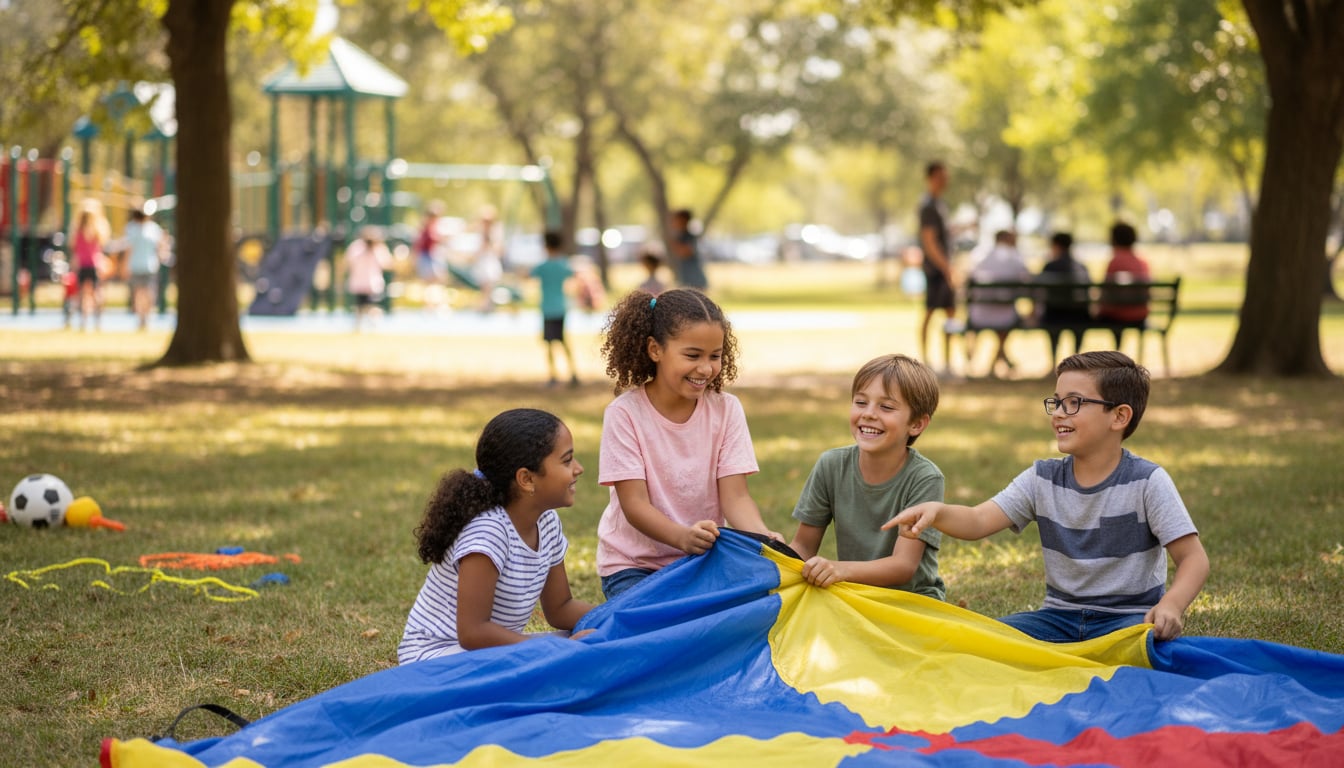
Friendships are a huge part of a happy childhood. They build confidence, teach empathy, and give kids a sense of belonging. But for many children, the process of making new friends can feel like a mystery. The good news is that making friends isn't just about luck. The process can be broken down into key skills, such as learning how to start a conversation, showing genuine interest by asking questions, and being a good playmate by sharing and taking turns. These are abilities that can be learned, practiced, and mastered over time.
This guide breaks down the essential skills and activities that help children form and maintain healthy friendships. Whether you're a parent or an educator, you can use these insights to support the kids in your life as they navigate their social world.
If you're a teacher looking for ready to use materials, TeachTools offers 23 tools to create friendship themed worksheets, lesson plans, and activities in minutes.
The First Steps to Making New Friends
It all starts with that first connection. Turning an acquaintance into a friend involves a few key steps that might seem simple to adults but can be a big hurdle for a child.
1. Making and Keeping Friends
First, the big picture. "Making and keeping friends" is a two part skill. The "making" part is about those initial interactions, finding common ground, and having fun together. The "keeping" part is about what comes next: being a reliable, kind, and supportive friend over the long haul.
Kids who are great at this can cooperate, negotiate, and understand others' feelings. Research shows that children who can apologize and forgive are much more likely to keep their friends after a disagreement. This balance of initiating friendships and nurturing them is what builds a strong, supportive social circle.
2. Smile to Look Approachable
Before a single word is spoken, body language does most of the talking. One of the simplest things a child can do to attract potential friends is smile. A genuine smile signals warmth and openness, making other kids feel safe to approach.
Studies in developmental psychology confirm that children as young as preschool age are drawn to peers who display positive facial expressions. Kids who smile more are rated as more likable by their classmates. Practitioners on parenting forums often note that coaching a child to simply "put on a friendly face" before walking into a new group can dramatically reduce the awkwardness of that first interaction. It's a small habit with outsized impact on making new friends.
For teachers, this can be as simple as a morning reminder: "Show your friendly face today." Pairing it with a brief mirror activity where kids practice their "welcome smile" turns it into something concrete rather than abstract.
3. Initiating a Conversation
For many kids, the hardest part is just saying hello. Initiating a conversation means taking that first brave step to talk to someone. It could be a simple "Hi, can I play?" on the playground or a compliment about a classmate's cool backpack.
Having a few go to conversation starters can reduce a child's anxiety. One of the most effective ways for young kids to connect is by inviting someone to play. Play is a natural bonding experience for them. Role playing these first interactions at home can build the confidence a child needs to take that first step on their own.
4. Asking Questions
Once a conversation starts, how do you keep it going? By asking questions. This shows curiosity and genuine interest in the other person. Encourage kids to ask open ended questions that can't be answered with a simple yes or no.
For example, instead of "Do you like games?" try "What's your favorite game to play at recess?" Asking questions helps children find common interests, which are the building blocks of any new friendship. One study even found that having students ask each other a series of personal questions helped them feel significantly closer and form new bonds.
5. Active Listening
A conversation is a two way street. Active listening is about fully concentrating on what the other person is saying, not just waiting for your turn to talk. It's shown through eye contact, nodding, and asking follow up questions.
Kids are quick to notice when someone isn't really listening. When a child feels heard, they feel respected and valued, which is critical for building trust. Active listening also helps with conflict resolution, as just feeling understood can calm an escalating situation. It's a fundamental skill for making new friends feel appreciated. Teachers working on these skills in the classroom might also find value in structured getting to know each other activities that give students built in practice.
6. Be Yourself
Kids pick up on inauthenticity faster than adults give them credit for. Trying too hard to impress, copying someone else's personality, or pretending to like things they don't actually enjoy rarely leads to lasting friendships. The friendships that stick are the ones where both kids feel free to be themselves.
This matters because children who mask their true interests to fit in often report feeling lonely even when surrounded by peers. Research on childhood friendships shows that authenticity is a strong predictor of friendship quality. When kids connect over shared genuine interests rather than performed ones, those bonds are deeper and more satisfying.
Parents and teachers can support this by celebrating what makes each child unique. Instead of coaching kids to act a certain way to be popular, focus on helping them find peers who appreciate them as they are. A child who loves bugs will be happiest befriending another kid who thinks insects are fascinating, not one who thinks they're gross.
Where to Find Friends
Sometimes the biggest barrier to making new friends isn't a lack of social skills. It's a lack of opportunity. Kids can't befriend people they never meet. Helping children access the right environments is half the battle.
1. School and Classroom
School is the most obvious setting, and it remains the primary place where most children form friendships. But within school, some spaces are better than others. Recess, lunch, group projects, and classroom icebreakers all create natural openings. Teachers who intentionally mix up seating charts and group assignments give students exposure to peers they might not approach on their own.
2. Extracurricular Activities and Clubs
Sports teams, art classes, drama clubs, coding camps, and scout troops all bring together kids with a shared interest. This shared interest does a lot of the heavy lifting because it provides instant common ground. Practitioners on Reddit note that their shy children often made their closest friends through niche hobby groups rather than large, unstructured social settings.
3. Community and Neighborhood
Libraries, parks, community centers, and places of worship all offer chances to meet new kids outside the school bubble. For younger children, parent arranged playdates remain one of the most effective ways to nurture a budding friendship in a comfortable, low pressure setting.
4. Online Spaces (With Supervision)
For older kids, shared interest groups (monitored gaming communities, book clubs, or creative platforms) can be a starting point. These require careful parental oversight, but they can be especially valuable for children in rural areas or those with niche interests who might not find like minded peers locally.
The key takeaway: put kids in environments where they'll regularly encounter the same group of children. Research on friendship formation consistently shows that repeated, unplanned interactions (what sociologists call "proximity") are one of the strongest predictors of friendship.
The Art of Playing Together
For kids, playtime is where friendships blossom. This is where they learn to navigate social rules, share experiences, and simply have fun.
1. An Invitation to Play
A direct invitation to play is one of the most powerful tools a child has for making new friends. A simple "Want to build a fort with me?" can be the start of a great afternoon and a new friendship. This small act of inclusion makes others feel seen and accepted.
Some schools have even introduced a "Buddy Bench." A child who feels lonely can sit there, and other students are taught to go over and invite them to play. It's a simple system that empowers kids to be inclusive and ensures no one is left out.
2. Cooperative Play
Cooperative play is when children work together toward a common goal, like building a block tower or putting on a pretend show. It requires communication, sharing, and teamwork. This type of play is a major milestone in social development, typically emerging around age 4 or 5.
Interestingly, one study found that preschoolers reported having more fun playing cooperative games than competitive ones. It seems working together isn't just a great way to practice social skills; it's also genuinely more enjoyable for many kids.
3. Sharing
Sharing is a skill that takes time to develop. Toddlers famously struggle with the concept of "mine," and that's a normal part of their development. By the preschool years, however, they begin to understand fairness and taking turns.
Sharing is essential for positive play. A child who is known to be a good sharer is often seen as a desirable playmate. And it turns out, sharing feels good! Research has shown that toddlers are often happier when giving a treat to someone else than when receiving one themselves.
4. Taking Turns
Closely related to sharing is taking turns. This skill involves patience and self control, as kids learn they can't always go first or use the most popular toy right away. By early elementary school, most children have a good grasp of turn taking and will even enforce the rules among their peers.
This concept extends to conversations, too. Listening while a friend is talking and waiting for your turn to speak is a sign of respect that makes interactions much smoother. Educators looking for structured turn taking games can quickly generate age appropriate activities tailored to any grade level.
The Heart of a Strong Friendship
Explore 26 free AI tools for teachers
Browse All Tools →Lasting friendships are built on a foundation of trust, kindness, and mutual understanding. These emotional skills are what turn a playmate into a true friend.
1. Empathy
Empathy is the ability to understand and share someone else's feelings. It's seeing a friend fall down and feeling a pang of concern, then offering to help. Empathy is often called the cornerstone of kindness, and it's a powerful tool for making new friends. Empathetic children are less likely to tease others and more likely to be a source of comfort and support.
2. Offering Help
Offering help is empathy in action. It's a proactive act of kindness, like helping a classmate who dropped their pencils or explaining a tricky math problem. This behavior builds trust and shows you care. Humans seem to have a natural inclination to be helpful; studies show even infants will spontaneously try to help an adult who is struggling. Nurturing this instinct helps children build stronger, more supportive friendships.
3. The Language of Friendship
The "language of friendship" refers to the words and tone we use to make others feel good. It includes giving compliments, saying please and thank you, and offering words of encouragement. A simple, sincere compliment like, "That's a cool drawing!" can be a great way to start a connection. Using kind, inclusive language makes others feel valued and respected, creating a positive environment for making new friends.
4. Conflict Resolution
Disagreements are a normal part of any relationship. Conflict resolution is the skill of navigating those disagreements peacefully. For kids, this means learning to use calm words, listen to the other person's side, and find a compromise. A child who knows how to say "I'm sorry" and make amends is more likely to keep their friends after an argument.
Teachers can support this with restorative reflection tools that guide students through the process of understanding what happened, how others felt, and what they can do differently next time.
5. Recognizing Good Friends vs. Not So Good Friends
Not every peer who shows interest is a good friend. Teaching children to recognize the difference between healthy and unhealthy friendships is just as important as teaching them how to make friends in the first place.
A good friend:
- Makes you feel happy and safe most of the time
- Listens to your ideas and respects your boundaries
- Includes you and celebrates your successes
- Apologizes when they make a mistake
A not so good friend:
- Makes you feel bad about yourself regularly
- Pressures you to do things you're uncomfortable with
- Is only nice when they want something
- Talks about you behind your back
Children often lack the vocabulary to express that a friendship feels wrong. Giving them concrete examples helps. One approach that works well in classrooms is reading a short scenario aloud and asking students, "Is this person being a good friend? Why or why not?" This builds critical thinking about relationships alongside the skill of making new friends.
Practitioners on parenting forums frequently mention that children who learn to identify unhealthy friendship patterns early are better equipped to set boundaries as they grow older.
Activities for Practicing Friendship Skills
Practice makes progress. These structured activities can give kids a safe and fun way to work on their social skills.
1. Getting to Know You Activities
These are classic icebreakers for a reason. Games like "Find someone who…" or paired interviews help kids learn about each other's interests and find common ground. Try a quick round of Classroom Bingo to get everyone talking. A structured activity can feel less intimidating than a wide open playground, especially for shy children. It gives them a clear role and makes it easier to start conversations, which is key to making new friends.
2. Friendship Bracelet Activity
Making and exchanging friendship bracelets is a timeless activity that celebrates connection. The act of creating something for a friend is a powerful gesture of thoughtfulness. It also gives kids a chance to chat and collaborate while they craft. The finished bracelet serves as a tangible reminder that someone cares about them.
3. "Meet My Friend" Poster
In this activity, students pair up, interview each other, and then create a poster to introduce their partner to the class. It's a wonderful way to practice active listening and empathy. Each child gets to be celebrated, and the whole group learns what makes each of their classmates unique and special.
4. Pairing Students
A simple but effective strategy used by teachers is pairing students to work on a task together. A "buddy system" for a new student or pairing a shy child with an outgoing one can create instant connections. Tools like the team builder generator can help teachers create balanced pairings quickly. Working toward a shared goal often builds a natural bond and can be the spark that starts a new friendship.
5. Friendship Goal Setting
This involves helping a child set a small, concrete social goal. Instead of a vague instruction to "be nice," a goal like "I will invite one new person to play at recess this week" provides a clear, actionable step. Achieving these small goals builds social confidence and makes the process of making new friends feel more manageable.
6. Role Play Social Scenarios
Role playing is like a dress rehearsal for real life social situations. Kids can act out scenarios like joining a game, handling a disagreement, or standing up for a friend. This allows them to practice their responses in a safe environment, so they feel more prepared when a similar situation happens for real.
For educators looking to build these skills into their lessons, creating new scenarios can take time. TeachTools can generate age appropriate scenarios instantly, letting you focus on guiding your students through the practice.
7. Write or Draw About Making a Friend
Not every child processes social experiences through conversation. Some kids understand their feelings better when they write or draw about them. A simple journal prompt like "Draw a picture of a time you made a new friend" or "Write about what you would say to someone sitting alone at lunch" gives children space to reflect on friendship in a low pressure way.
For younger students who aren't writing yet, drawing is especially effective. A child might draw two stick figures playing together on the swings, and that image becomes a starting point for a class discussion about what makes that moment special. Older students can write short narratives or even letters to a friend (real or imagined) describing what they appreciate about the friendship.
This activity doubles as a formative assessment for teachers. The stories and drawings reveal a lot about a child's social understanding, their anxieties, and their strengths. Teachers can use a worksheet generator to create age appropriate writing or drawing prompts focused on friendship themes.
8. Picture Book Discussion on Friendship
Picture books are quietly powerful tools for teaching social skills. A well chosen story puts friendship concepts (loyalty, forgiveness, inclusion, standing up for someone) into a narrative that kids can engage with emotionally before they have to apply those concepts in real life.
Some strong picks for different age groups:
| Age Group | Book Title | Friendship Concept |
|---|---|---|
| PreK to K | The Invisible Boy by Trudy Ludwig | Inclusion and noticing others |
| Grades 1 to 2 | Enemy Pie by Derek Munson | Giving people a chance |
| Grades 2 to 3 | Each Kindness by Jacqueline Woodson | Regret and missed chances to be kind |
| Grades 3 to 5 | Wonder by R.J. Palacio | Acceptance and looking beyond appearances |
After reading, guide the discussion with questions like: "What did the character do that was a good friend move?" or "Have you ever been in a situation like this?" These conversations give children a shared vocabulary for talking about friendship and help them see that the challenges of making new friends are universal, not something wrong with them.
Teachers on YouTube walkthroughs of SEL (social emotional learning) curricula frequently recommend pairing picture book discussions with a follow up activity, such as the writing and drawing exercise described above, or a role play based on a scene from the book. This combination of reading, reflecting, and doing creates multiple entry points for different types of learners.
Conclusion: Building a Foundation for Life
Helping a child learn the art of making new friends is one of the greatest gifts you can give them. These skills not only lead to happier school days but also lay the foundation for healthy relationships throughout their lives. By breaking it down into small, practical steps (smile, ask a question, be yourself, recognize good friends) every child can build meaningful connections.
For the busy teachers guiding this journey, remember that you don't have to create everything from scratch. Explore all 23 TeachTools to generate engaging social emotional learning activities, friendship worksheets, and lesson plans in minutes, giving you more time to foster a kind and connected classroom community.
Frequently Asked Questions
1. Why is making new friends so hard for some children?
Some children may be naturally shy, have social anxiety, or may not have had as much practice with social skills. Making new friends requires a complex set of abilities, including reading social cues, initiating conversation, and managing emotions, which can be challenging for kids to develop all at once.
2. What is the first step in teaching a child about making new friends?
A great first step is to focus on body language and conversation starters. Teach kids to smile and look approachable, then practice simple greetings and questions at home, like "Hi, my name is Alex, what's yours?" or "That game looks fun, can I play too?" Mastering these initial steps can build the confidence needed to approach others.
3. How can I help my shy child make friends?
Start small. Arrange one on one playdates with a compatible peer in a comfortable setting like your home. You can also try role playing social situations to help them practice what to say. Focusing on activities based on their interests (like a Lego club or art class) can also help them meet kids with similar passions. Remind them that being themselves is more important than trying to impress anyone.
4. At what age do kids typically start making real friends?
The seeds of friendship start early. Research shows that even toddlers around age 3 are capable of forming basic friendships and will seek out preferred playmates. These early bonds can be surprisingly strong and often continue as they grow.
5. Where are the best places for kids to make new friends?
School is the most common setting, but extracurricular activities, sports teams, community programs, and neighborhood play groups all provide excellent opportunities. The key is repeated contact with the same group of children in an environment where they share a common interest or activity.
6. How can I teach my child the difference between a good friend and a bad friend?
Use concrete examples. Talk through scenarios where a friend is being supportive versus times when someone is being unkind or manipulative. Picture books about friendship are excellent conversation starters for younger children. Help kids understand that a good friend makes them feel happy and safe most of the time, while a not so good friend regularly makes them feel bad about themselves.
7. What are some good classroom activities for making new friends?
Structured activities work well. Getting to know you icebreakers, pairing students for projects, and cooperative games that require teamwork are all excellent. Creating a "Meet My Friend" poster, doing a friendship bracelet exchange, using picture book discussions, or having students write and draw about their friendship experiences are all fun, creative ways to build bonds. Teachers can use TeachTools to quickly create materials for these activities.