Five Senses Lesson Plan: The 2026 Guide for K-2 Teachers
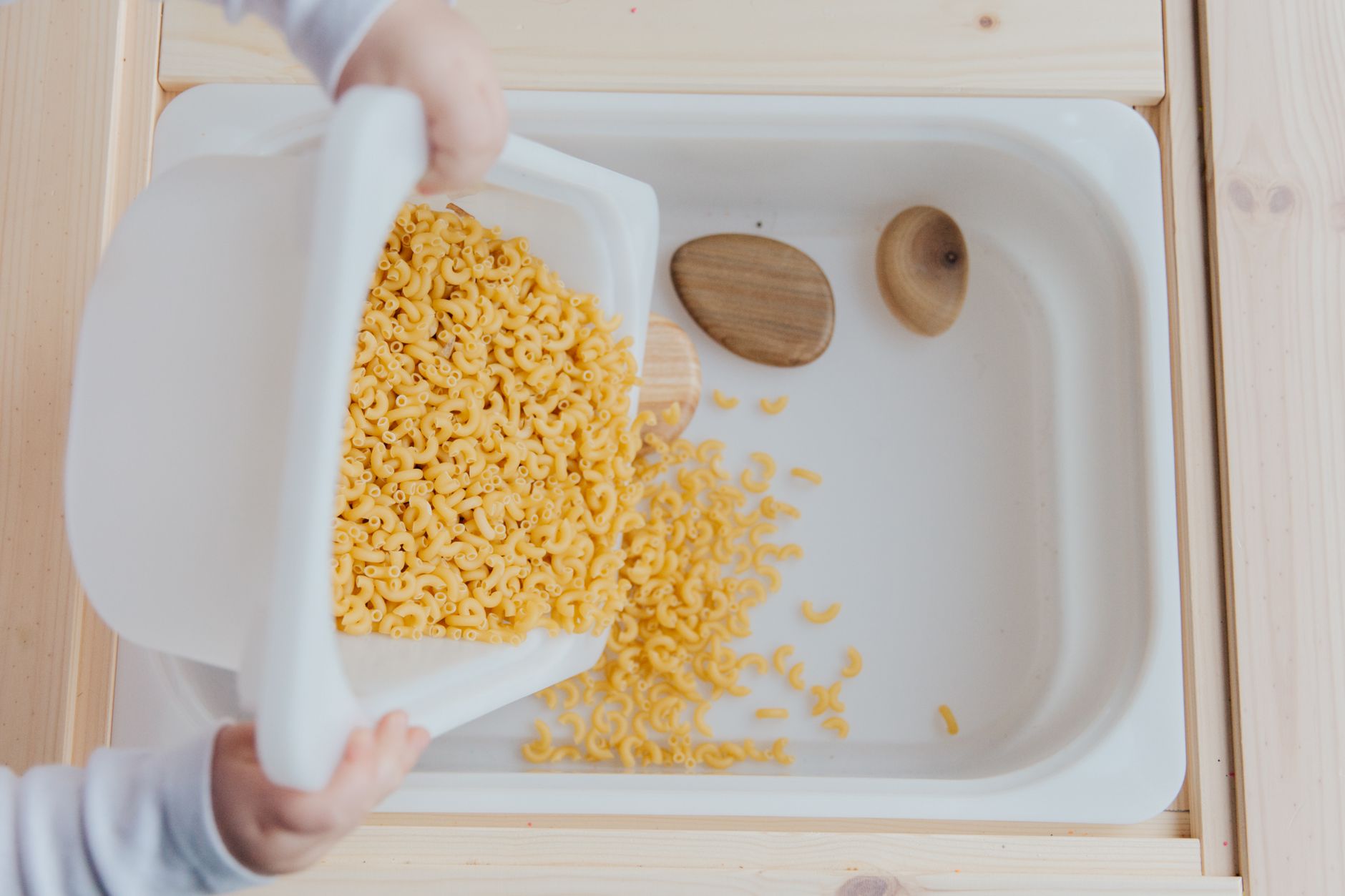
Teaching young learners about sight, hearing, touch, taste, and smell is a cornerstone of early education. It's hands on, engaging, and builds a foundation for scientific observation. But creating a truly effective five senses lesson plan involves more than just a few fun activities. It requires a clear structure, thoughtful resources, and a spark of creativity.
Whether you're a new teacher or a seasoned pro looking for fresh ideas, this guide breaks down everything you need to build a comprehensive and exciting learning experience. We'll walk through the entire process, from setting goals to bringing your lessons to life.
The Foundation of Your Five Senses Unit
Before you start picking out smelly markers and mystery sound boxes, it's important to lay the groundwork. A great individual lesson is part of a bigger picture.
What Is a Five Senses Lesson Plan?
A five senses lesson plan is a structured outline for teaching students about the human senses. Typically used in kindergarten or early elementary science, it details the lesson's goals, materials, step by step instructions, and how you'll check for understanding. The main goal is to help children identify each sense and understand how it helps us explore the world. These lessons are powerful because they build observation skills, expand vocabulary with sensory words, and encourage critical thinking.
From a Single Lesson to a Full Unit
A single lesson often lives within a larger five senses unit. A unit is a series of connected lessons that explore the topic in depth over multiple days or even weeks. This approach allows kids to dive deep into each sense before pulling it all together.
A typical unit might look like this:
- Day 1: Introduction to all five senses.
- Days 2 and 3: Exploring the sense of sight.
- Days 4 and 5: Exploring the sense of hearing.
- And so on…
Setting Clear Learning Objectives
The compass for your five senses lesson plan is its learning objective. A learning objective is a clear statement of what students should know or be able to do by the end of the lesson. For example, a strong objective might be: "Students will be able to identify and explain each of the five senses." This is a measurable goal you can easily assess.
Aligning with K to 2 Science Standards
Understanding the five senses is a fundamental part of early science education. At this age, science is all about hands on exploration. Children are natural scientists, and their senses are their primary tools. A five senses lesson plan for kindergarten aligns perfectly with Next Generation Science Standards (NGSS), particularly standards related to making observations and gathering information. For example, NGSS standard K LS1 1 asks students to use observations to describe patterns in the natural world, a skill directly supported by sensory exploration. Research published in the journal Early Childhood Education found that multisensory instruction improves information retention by up to 75% compared to single-mode teaching, which underscores why hands on sensory lessons are so effective at this age.
Structuring Your Lesson with the 5E Model
A fantastic way to organize your five senses unit is with the 5E Model. This inquiry based approach, originally developed by the Biological Sciences Curriculum Study (BSCS) in 1987, moves students through five phases: Engage, Explore, Explain, Elaborate, and Evaluate. Each 5e model phase builds on the last, creating a deep and connected learning experience.
Engage Phase: Sparking Curiosity
The engage phase is all about grabbing students' attention. Your goal is to get them excited and thinking about their senses. A listening walk is a perfect activity here. Take students on a short walk around the school, asking them to close their eyes and listen. What sounds do they hear? This simple activity activates their sense of hearing and makes them curious to learn more.
Explore Phase: Hands On Investigation
During the explore phase, students get to be scientists. This is the time for hands on activities that let them investigate their senses directly. Practitioners on Reddit report that rotating sensory stations work best when each station is limited to about 8 to 10 minutes, keeping young learners focused without overwhelming them. A great way to organize this is with a sensory station for each sense.
- Sight: A magnifying glass exploration station where students can look at objects like leaves, fabrics, and fingerprints up close.
- Taste: A supervised salt vs sugar investigation where students can (safely) taste a tiny bit of each and describe the difference.
- Touch: A "mystery box" station with different textured objects to feel.
- Smell: Scent jars with familiar smells like cinnamon, lemon, and coffee.
- Hearing: A sound matching game with film canisters filled with different items (rice, bells, paperclips).
You could also organize a classroom scavenger hunt where students must find something smooth, something that makes a crunching sound, or something that smells sweet.
Explain Phase: Connecting and Naming
In the explain phase, you help students connect their explorations to scientific concepts. This is where you introduce vocabulary like sight, smell, taste, touch, and hearing.
- Read Aloud: A read aloud is a fantastic tool. A book like My Five Senses by Aliki can put scientific concepts into a narrative context that kids relate to.
- Anchor Chart: Create a class anchor chart. Make a large chart with five columns, one for each sense. As a class, fill it in with words and drawings of things you experienced during the explore phase. This visual aid helps students organize their new knowledge.
Elaborate Phase: Applying New Knowledge
The elaborate phase challenges students to apply what they've learned in a new context. A sensory word jar is a fun, ongoing activity. As a class, collect descriptive words (like crunchy, fragrant, fuzzy, or bright) and add them to a jar. Students can pull words from the jar to use in their writing.
The classic popcorn making activity is another perfect example. Students use all their senses together: they see the kernels change, hear them pop, smell the aroma, feel the texture, and taste the final product. This multisensory experience shows them how their senses work together.
Evaluate Phase: Checking for Understanding
The evaluate phase is your assessment of student learning. It helps you see if students met the learning objectives. This doesn't have to be a formal test. You can use observations from the explore phase, have students complete a simple drawing or sorting worksheet, or ask them to "turn and talk" to a partner to name the five senses and what they do.
Assembling Your Teaching Toolkit
Explore 26 free AI tools for teachers
Browse All Tools →Now it's time to gather the materials that will bring your five senses lesson plan to life.
Writing a Clear Procedure
Every lesson plan needs a clear procedure. This is the step by step sequence of what the teacher and students will do. Writing it out ensures your lesson flows logically and helps a substitute teacher follow your plan if needed.
The Material Supply List
Being prepared is key. Your material supply list is your shopping list of everything you'll need, from magnifying glasses for sight to lemons and pretzels for taste. You don't want to start an activity and realize you forgot the cinnamon sticks.
Teacher Guides and Student Books
- Teacher Guide: This is your roadmap, including detailed lesson steps, background info, and tips for adapting the lesson for different learners.
- Student Book: In early grades, this might be a simple printable booklet with pictures and sentences like, "I see with my eyes." It reinforces concepts and gives kids a tangible resource.
Finding Great Online Resources
The internet is full of amazing resources. You can find educational videos, interactive games, and printable worksheets. Teachers spend an average of 7 to 10 hours per week planning lessons. To save valuable time, many are turning to platforms designed to help. An AI powered platform like TeachTools can act as a digital teaching assistant, helping you generate a complete five senses lesson plan outline, worksheets, and quizzes in just minutes. If you're looking for a fast way to get classroom ready materials, you can try a lesson plan generator to streamline your process.
Preparing Individual Resources
An individual resource is any material a single student uses. This could be a personal sensory worksheet, a small mystery box, or a set of picture cards to sort. Providing individual resources allows every child to be actively engaged.
Expanding Your Five Senses Unit
A great unit goes beyond the basics. A five senses bulletin board can visually immerse your students in the topic. You could divide the board into five sections and have students add drawings or magazine clippings for each sense. When students see their own work displayed, it builds a sense of pride and ownership in the classroom.
Save Time on Your Next Lesson Plan
Crafting the perfect five senses lesson plan is rewarding, but it takes time. With all the demands on teachers today, finding ways to be more efficient is essential. Tools built specifically for educators can help you reclaim hours of prep time without sacrificing quality.
Platforms like TeachTools are designed to be your partner in planning. Instead of starting from scratch, you can generate structured lesson plans, customized worksheets, and engaging activities in minutes. Explore the tools at TeachTools and see how you can simplify your planning process and get back to what you do best: teaching.
Frequently Asked Questions
How do you write a simple five senses lesson plan?
Start with a clear learning objective (e.g., "Students will name the five senses"). Choose a short read aloud book to introduce the topic. Plan one simple, hands on activity, like a mystery box for touch or smelling jars for smell. Finish by having students draw or talk about what they learned.
What are good activities for a five senses unit?
Great activities include taste tests (with safe foods like salty crackers, sweet apples, and sour lemons), sound matching games (guessing sounds from behind a screen), texture walks (feeling different surfaces around the room), and creating "I Spy" discovery bottles for sight.
Why is teaching the five senses so important in kindergarten?
It teaches children to be keen observers, which is a foundational science skill. It also builds their vocabulary as they learn words to describe what they experience. Since young children learn best through direct experience, sensory exploration is a natural and effective way for them to understand the world.
How can I make my five senses lesson plan more inclusive?
Consider students with sensory sensitivities or disabilities. For taste tests, always be aware of allergies. Provide alternatives for students who may be uncomfortable with certain textures or smells. Use visual aids like picture cards to support English language learners or students with communication challenges.
What are some common learning objectives for a five senses lesson?
- Students will be able to name the five senses and the corresponding body part.
- Students will be able to sort objects based on the sense used to observe them.
- Students will use descriptive words to explain a sensory experience.
- Students will demonstrate how senses help us stay safe (e.g., smelling smoke, hearing a siren).
Is it possible to teach the five senses without a formal lesson plan?
While spontaneous learning is valuable, a formal five senses lesson plan ensures you cover key concepts, meet learning objectives, and have all your materials ready. A plan provides structure and intentionality, which leads to more effective teaching and deeper student understanding.