27 Earth Day Activities for All Ages (2026, High Impact)

Looking for Earth Day activities that actually make a difference? The best options range from community cleanups and tree planting to food waste audits, pollinator gardens, and carbon footprint challenges, all designed to create lasting environmental impact rather than symbolic gestures. First celebrated in 1970, Earth Day is an annual event on April 22nd dedicated to demonstrating support for environmental protection. What started as a teach in for schoolchildren founded by U.S. Senator Gaylord Nelson has blossomed into the largest secular observance in the world, with over a billion people in more than 193 countries participating in Earth Day activities each year. Below you'll find 27 high impact activities organized by category and age group, along with planning tips to make this year's celebration count.
How to Choose Meaningful, High Impact Activities
Choosing the right Earth Day activities can make a real difference. The goal is to move beyond symbolic gestures and engage in actions with a lasting positive impact. Focus on activities that address tangible environmental problems. For example, since an estimated 8 to 14 million tonnes of plastic enters our oceans every year, a community cleanup targeting plastic waste is a high impact choice. Planting trees is another powerful option. A single mature tree can absorb more than 20 kilograms of carbon dioxide annually and provide a habitat for hundreds of species. Meaningful activities also create educational opportunities, fostering a deeper understanding of environmental issues. Environmental education helps students see the connection between their actions and the planet's health, building skills to address complex environmental challenges.
Plan an Entire Earth Month Calendar
Why limit the celebration to a single day? Turn Earth Day into Earth Month by creating a calendar of small, daily actions throughout April. An Earth Month calendar helps build lasting habits by breaking down large goals into manageable steps. Each day can feature a simple theme, like "Meatless Monday," "Turn it Off Tuesday" (focusing on energy conservation), or "Walk to School Wednesday." This approach keeps students and families engaged and shows how consistent, small efforts accumulate into significant positive change. You can design a classroom calendar with a unique activity for each school day, encouraging a month long conversation about sustainability.
Age by Age Planning Tips
Tailoring Earth Day activities to the right age group makes them more engaging and effective.
Toddlers & Preschoolers (Ages 2 to 5)
For the youngest learners, focus on sensory experiences and simple concepts. A nature scavenger hunt in a backyard or park, focusing on different colors, textures, and sounds, can be a great introduction to the environment. Reading age appropriate books about nature and animals helps build a foundation of appreciation. Simple, hands on activities like planting a seed in a cup or creating art from natural materials like leaves and twigs are both fun and educational.
Elementary School Students (Ages 6 to 11)
Elementary students can grasp more complex ideas. This is an excellent age to introduce concepts like recycling and conservation. Challenge them to create a recycling system for their classroom or home. Building a bird feeder or starting a small classroom garden connects them directly with local wildlife and the food system. For educators, creating worksheets or a fun crossword puzzle about conservation can reinforce learning in a fun way. An AI powered tool like the worksheet generator from TeachTools can help you create customized, grade appropriate materials in minutes.
Middle & High School Students (Ages 12 to 18)
Teenagers are capable of deeper engagement and larger scale projects. Organize a screening of an environmental documentary to spark discussion and critical thinking. Participating in a local stream cleanup or a tree planting event provides a powerful, hands on experience. Encourage students to research a specific environmental issue and present their findings or start an environmental club at school. These Earth Day activities can empower them to become advocates for change. Teachers can use a lesson plan generator to structure units around these complex topics, saving valuable prep time.
Adults & Community Groups
Adults can lead and participate in a wide range of Earth Day activities. Organizing a community wide cleanup, a tree planting day, or a workshop on composting can have a significant local impact. Community gardens are another fantastic option, as they not only increase access to fresh produce but also enhance social connection and build a sense of community pride. Workplaces can get involved by hosting a recycling drive for electronic waste or inviting an environmental expert to give a presentation.
Top 27 Earth Day Activities for All Ages
Explore 26 free AI tools for teachers
Browse All Tools →This comprehensive list offers a variety of ways to celebrate our planet through direct action and mindful lifestyle changes. It gathers a wide array of projects to ensure that anyone, regardless of age or location, can find a meaningful way to contribute to a greener future.
Community cleanups and anti littering
Taking care of our shared spaces is a vital step toward a healthier environment and a more vibrant community. These tasks focus on removing physical debris and monitoring waste patterns to restore the natural beauty of our local neighborhoods and parks.
1. Pick Up Litter
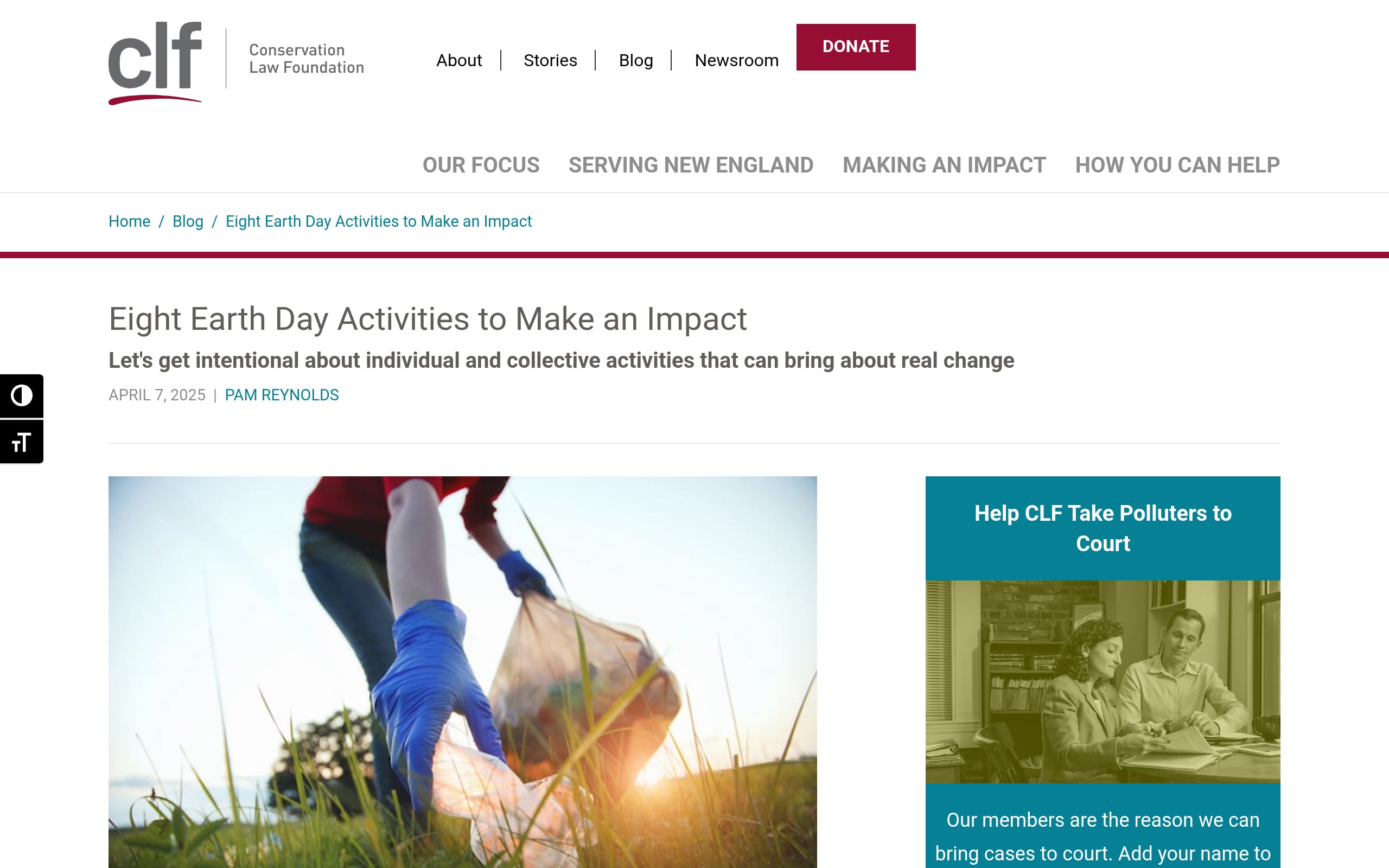
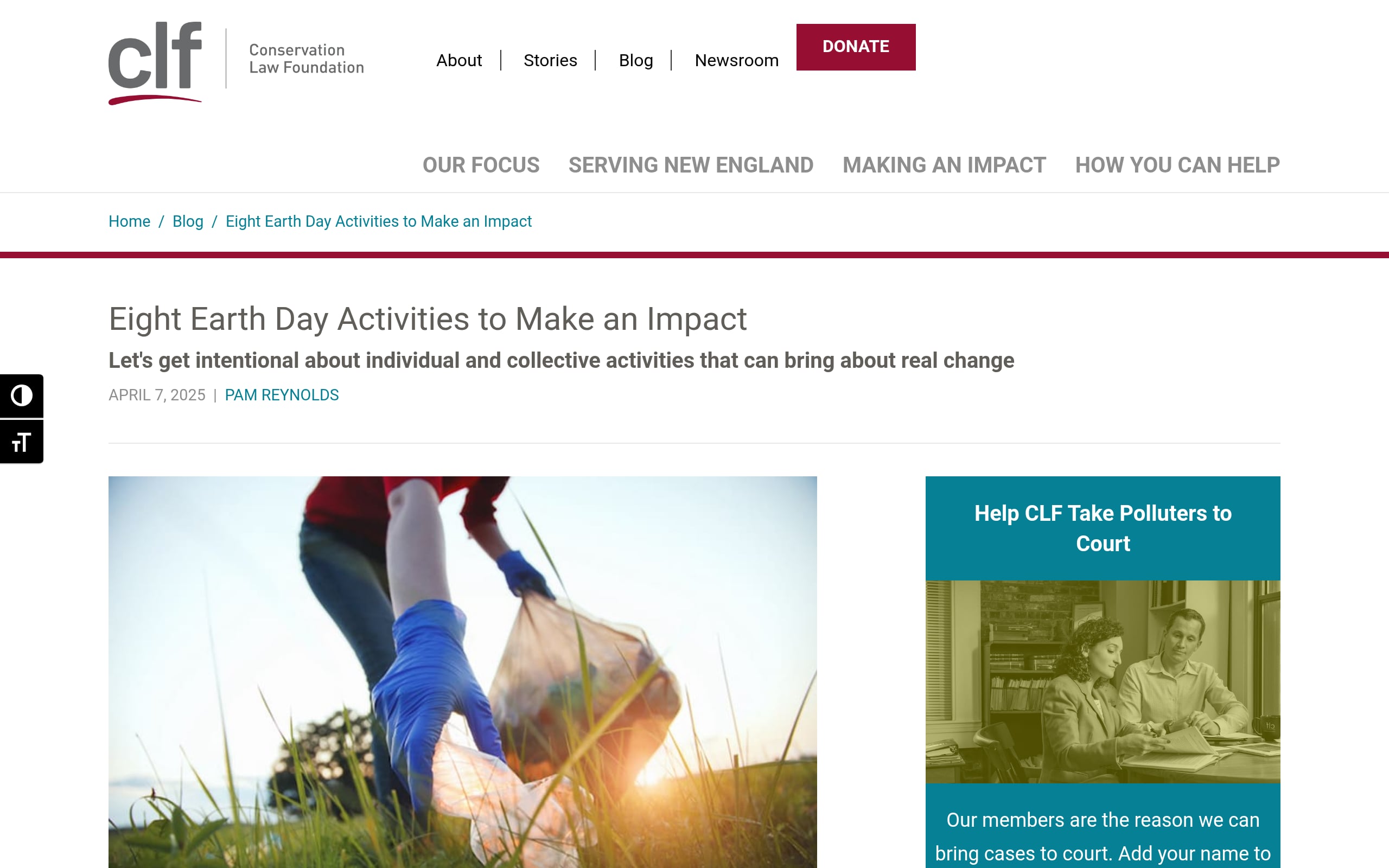
Small actions add up fast: removing litter protects wildlife, beautifies shared spaces, and builds lifelong stewardship. Students work in teams to investigate what's on the ground and why it accumulates, then use their findings to suggest change. For grades K to 12 and takes 45 to 60 minutes.

What you'll need:
- Reusable gloves
- Buckets or repurposed bags
- Optional litter grabbers
- Clipboards with data sheets
Do this:
- Mark a safe cleanup area and set a buddy system; clarify what's okay to pick up.
- Wearing gloves, collect and sort litter into separate trash and recycling bags.
- Weigh or count items by category and record your data.
- Share results, identify hotspots, and propose prevention strategies.
Think, adapt, and stay safe:
- Key question: What patterns do we notice in what, and where, we find litter?
- Differentiation: Kindergarten to second grade students use picture tallies, third to fifth grade students create bar graphs, and middle and high school students analyze trends and root causes.
- Safety: Always wear gloves; avoid sharps and unknown substances.
- Assessment: Quick exit ticket or photo and caption of one pattern and solution.
2. Organize a Playground Cleanup
A playground cleanup focuses efforts on a space kids care about deeply, making the impact personal and visible. This activity empowers students to take ownership of their environment and see immediate results. Ideal for elementary students and takes about 30 to 45 minutes.
What you'll need:
- Reusable gloves for every participant
- Clearly labeled bags for trash and recycling
- A designated adult supervisor
- Optional: small rakes, brooms, and dustpans
Do this:
- Gather students and explain the importance of a clean playground for safety and fun.
- Assign teams to different zones of the playground (e.g., under the swings, around the slide).
- Have students wear gloves and collect litter, placing it in the correct bags.
- Conclude by celebrating the clean space and discussing how to keep it that way.
Think, adapt, and stay safe:
- Key question: What kind of litter do we find most often, and how can we reduce it?
- Differentiation: Younger students can focus on picking up larger, safe items, while older students can tally the types of litter found.
- Safety: Ensure adult supervision. Instruct students not to touch anything sharp or dangerous and to report it to an adult immediately.
- Assessment: A group discussion about the experience and a shared commitment to keeping the playground clean.
3. Sort Litter
Right bin, right outcome: proper sorting slashes landfill waste and prevents pollution. Students apply local rules, then analyze their real data to propose changes that matter. For grades K to 12 and takes 30 to 60 minutes.

What you'll need:
- Reusable gloves
- Labeled bags or bins
- Tarp, data sheets, and a scale
Do this:
- Review local sorting rules and safety.
- Collect litter from a defined area in teams.
- On the tarp, sort, count, and weigh items by category.
- Discuss patterns and propose one change for your school or block.
Think, adapt, and stay safe:
- Key question: Which single change would most reduce local litter?
- Differentiation: Kindergarten to second grade students use picture labels, third to fifth grade students calculate percentages, and middle and high school students analyze sources and policy levers.
- Safety: Gloves on; never handle sharps; wash hands after.
- Assessment: Exit slip naming a pattern and proposed fix.
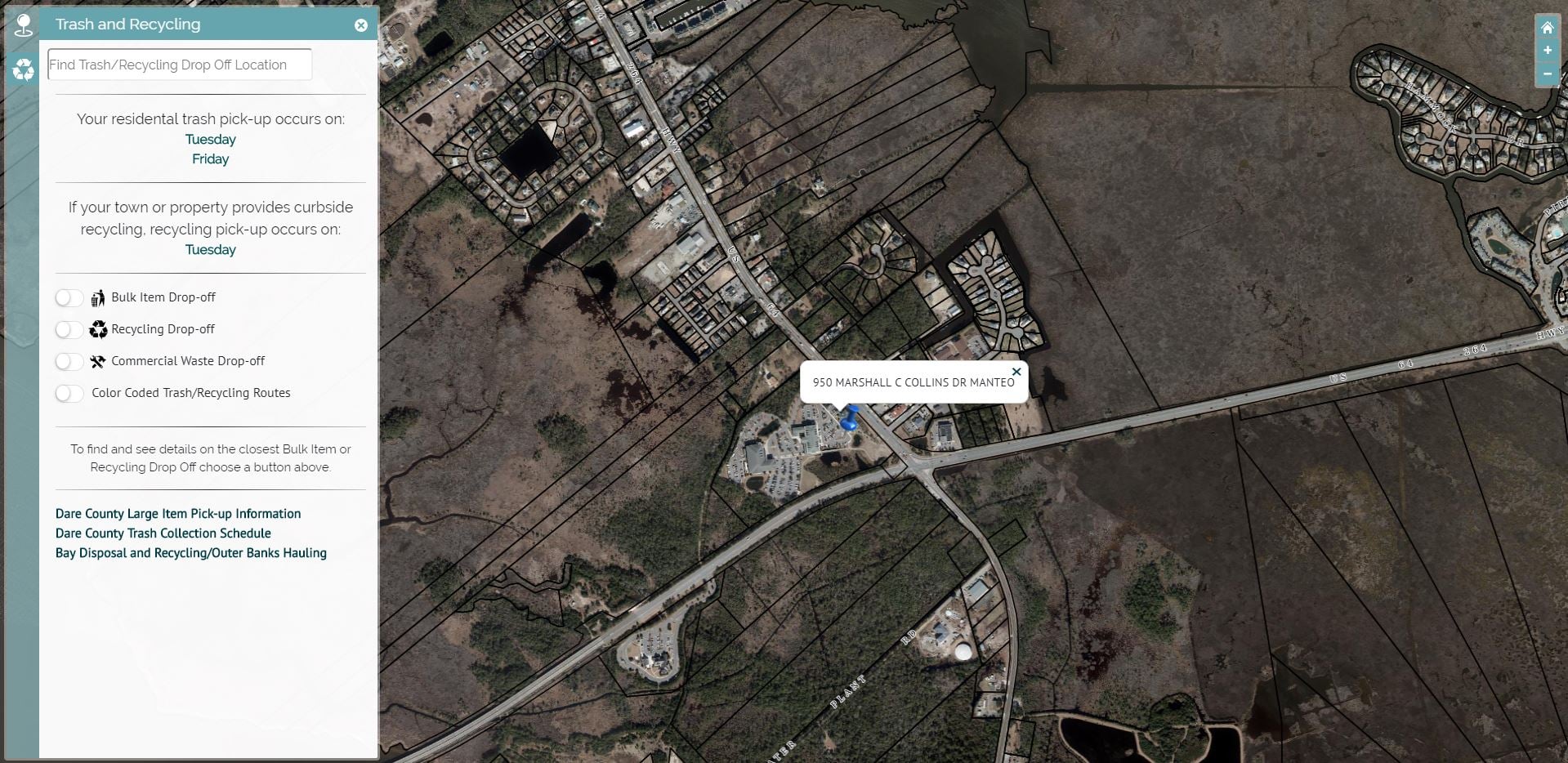
4. Make a Local Trash Map
Mapping turns observation into action: by charting hotspots, students see where behavior and design intersect, and where to focus efforts. They'll build data literacy and civic problem solving. For grades K to 12 and takes one to two class periods.
What you'll need:
- Printed area map
- Colored markers or stickers
- Reusable gloves, trash bags, litter grabbers
Do this:
- Define the study area and create a legend for four to six litter categories.
- Walk the route, marking hotspots and tallying items.
- Collect safe items using gloves and grabbers.
- Analyze the map to spot patterns and priority zones.
Think, adapt, and stay safe:
- Key question: Where are our litter hotspots, and why there?
- Differentiation: Kindergarten to second grade students use icons, third to fifth grade students graph totals, and middle and high school students layer time of day or land use data.
- Safety: Gloves, closed toe shoes; avoid traffic; supervise near roads.
- Assessment: Brief hotspot summary and action proposal.
Sustainable food and waste reduction
The way we source and dispose of our food plays a major role in the health of our planet and the efficiency of our resources. This section highlights strategies for minimizing waste and choosing eco friendly diets to significantly reduce the strain on our landfills.
1. Try an Earth Day Diet
Food choices shape emissions, land use, and waste. In this menu design challenge, students weigh tradeoffs, compare impacts, and craft a tasty, lower footprint plan. For grades K to high school and takes 35 to 50 minutes.
What you'll need:
- Teacher made Foodprint Cards
- Grocery flyers
- Menu planning sheets
- Calculators and pencils
Do this:
- Sort foods by environmental impact points and packaging type.
- Plan a one day menu that fits both an impact point budget and a money budget.
- Revise to reduce packaging, minimize scraps, and plan for leftovers.
Think, adapt, and stay safe:
- Key question: Which single swap cuts our meal's impact the most?
- Differentiation: Kindergarten to second grade students use pictures and simple swaps, while middle and high school students use data tables and compare CO2e per serving.
- Safety: Respect dietary needs and allergies; avoid food waste in tastings.
- Assessment: Menu and two sentence justification citing data.
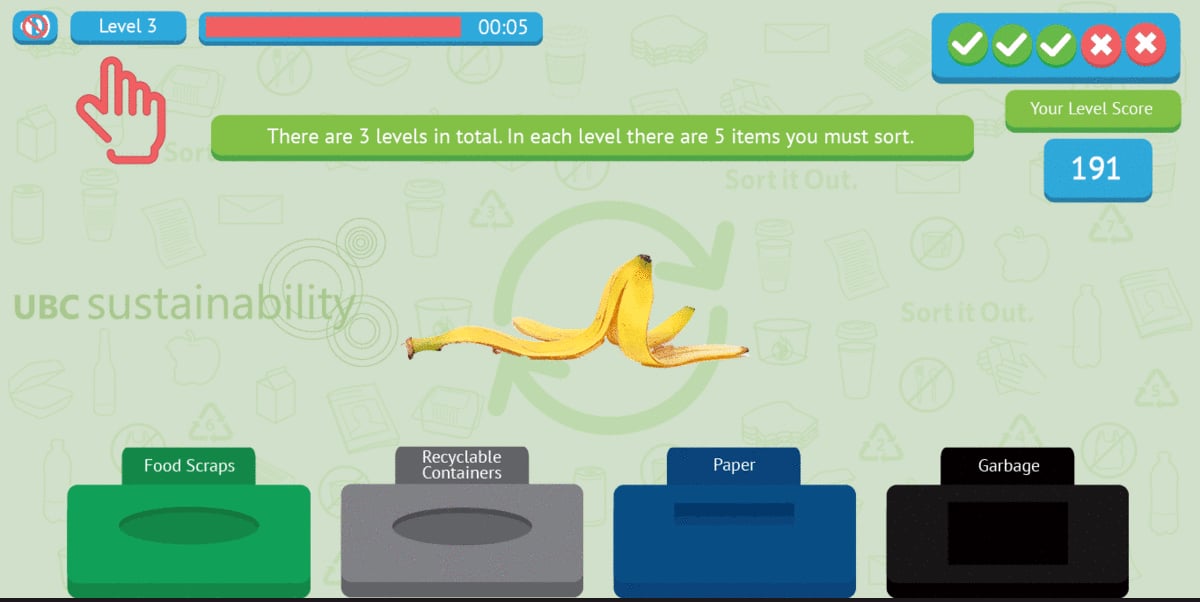
2. Introduce Them to Composting
Composting turns scraps into soil, slashing methane from landfills and closing the nutrient loop. Students launch a mini system, then observe decomposition like true scientists. For grades K to 12. Takes 35 minutes to start, plus quick weekly checks.
What you'll need:
- Clear jar or bin
- "Browns" (paper, leaves)
- "Greens" (fruit/veg scraps)
- Soil and water
Do this:
- Layer two parts browns to one part greens; mist until damp.
- Add a scoop of soil to introduce microbes; label with the start date.
- Stir twice weekly to aerate and record changes in look, smell, and temperature.
Think, adapt, and stay safe:
- Key question: Why does composting matter for climate and soil health?
- Differentiation: Kindergarten to second grade students do picture sorts of browns and greens, third to fifth grade students track changes on a chart, and middle and high school students measure mass or temperature over time.
- Safety: Wash hands after handling; keep lids on to deter pests.
- Assessment: Observation log and claim, evidence, and reasoning paragraph.
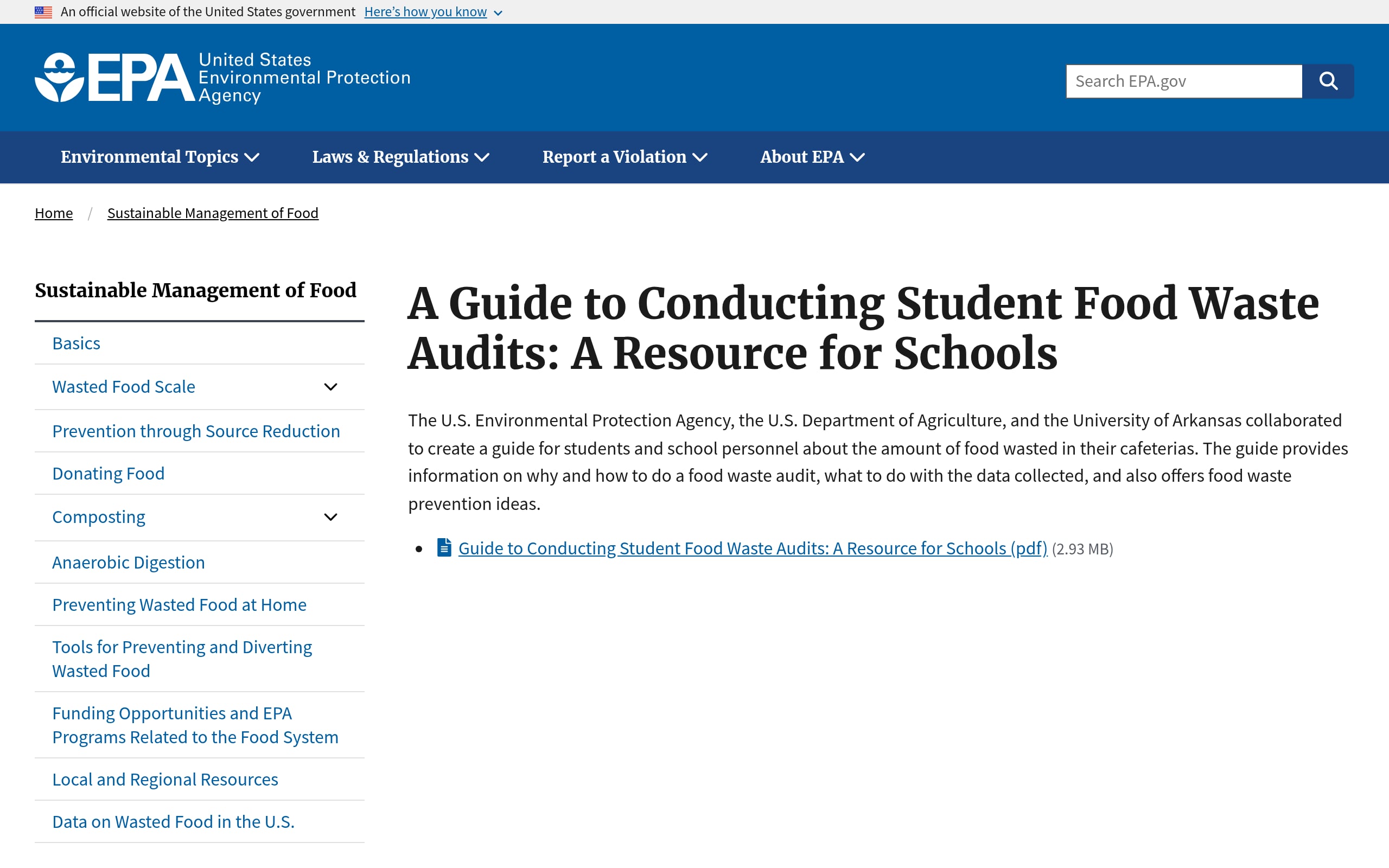
3. Food Waste Audit
Seeing is believing: auditing cafeteria waste reveals where edible food gets tossed and how to stop it. Students collect, analyze, and act on real data. For grades K to 12. Takes three to five days of data collection.

What you'll need:
- Scale
- Labeled bins with liners
- Gloves and tongs
- Data sheet or tablet
Do this:
- Coordinate with staff and set up labeled bins (edible, compost, landfill).
- For three to five meal periods, sort and weigh waste from trays.
- Analyze data to find top two waste sources.
- Co design one solution (e.g., share table, adjusted portions) and implement.
Think, adapt, and stay safe:
- Key question: Where does most of our food waste happen, and why?
- Differentiation: Kindergarten to second grade students do picture sorting, third to fifth grade students create bar graphs, and middle and high school students perform cost analysis and intervention design.
- Safety: Wear gloves; use tongs; wash hands.
- Assessment: Brief report with baseline, intervention, and follow up data.
4. Use Alternatives to Single Use Plastic
Every wrapper tells a story. By auditing lunchtime plastics and testing swaps, students learn how small daily choices ripple into cleaner waterways and less waste. For grades K to 12. Takes 35 to 45 minutes plus a one week tally.
What you'll need:
- Sample single use plastics (wrappers, bottles)
- Reusable alternatives (containers, cloth napkins)
- Tally sheets and markers
Do this:
- Audit lunch/snack packaging and tally single use items by type.
- Explore reusable alternatives; compare pros and cons.
- Choose two to three swaps to try for one week and create a personal pledge.
Think, adapt, and stay safe:
- Key question: How many plastic items can we prevent in a week?
- Differentiation: Kindergarten to second grade students do picture matching, third to fifth grade students calculate totals avoided, and middle and high school students do a life cycle comparison of top items.
- Safety: Wash all reusables thoroughly; respect allergy safe containers.
- Assessment: Before/after tally chart and reflection.
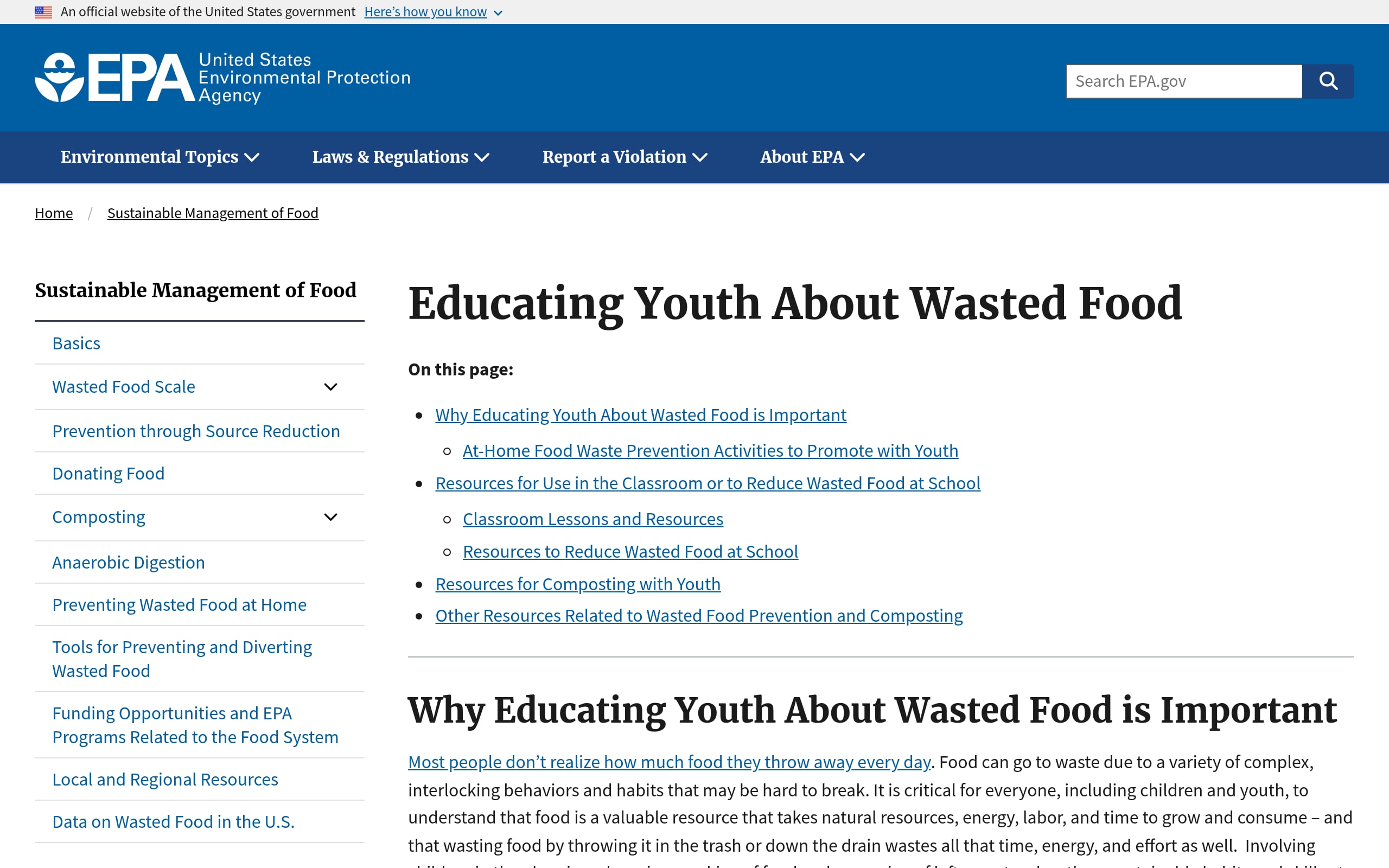
5. Keep Food Waste Out of Landfills
Food rotting in landfills creates methane, and wastes water, energy, and land. Students measure baseline waste, pilot solutions, and track diversion like real change makers. For grades K to 12 and is a multi day activity.
What you'll need:
- Collection bins with lids and labels
- Markers and chart paper or data sheets
- Gloves and a kitchen scale
Do this:
- Sort and weigh one day's waste to set a baseline; chart results.
- Launch solutions (share table, clearer signage, compost bin).
- Track daily totals and calculate your diversion percentage.
Think, adapt, and stay safe:
- Key question: Which action cuts our waste the most, and how do we know?
- Differentiation: Kindergarten to second grade students use picture charts, third to fifth grade students calculate percent change, and middle and high school students use trend lines and root cause analysis.
- Safety: Gloves on; sanitize stations; handwashing required.
- Assessment: Data display with claim, evidence, and reasoning.
Home and garden for biodiversity
Supporting local wildlife begins in your own backyard by creating habitats where native species can thrive and pollinate. These activities are grouped to help you manage your land responsibly through strategic planting and the removal of harmful invasive plants.
1. Plant a Tree Together
Few Earth Day actions last as long as a tree: it cools streets, shelters wildlife, and stores carbon for decades. Students practice stewardship and measurement while launching a living legacy. For grades K to 12. Takes 60 to 90 minutes to plant, plus weekly care for a season.
What you'll need:
- A native sapling
- Shovel, water, mulch
- Gloves, measuring tape, plant tag
Do this:
- Choose an appropriate native tree and site; dig a hole twice as wide as the pot, no deeper than roots.
- Place the tree with the root flare at ground level.
- Backfill with native soil, water deeply, and mulch in a donut (3 inches off trunk).
Think, adapt, and stay safe:
- Key question: How will this tree change our habitat over time?
- Differentiation: Kindergarten to second grade students draw predictions, third to fifth grade students measure height over months, and middle and high school students estimate carbon storage.
- Safety: Adult supervision for digging and tool use; call 811 when required.
- Assessment: Plant tag with species, date, and a care plan.
2. Start a Backyard Garden
A small garden becomes a living lab: it grows food, invites wildlife, and teaches systems thinking. Students design, plant, and monitor biodiversity in their own patch. For grades K to 12. Takes 60 to 90 minutes to plant, plus weekly checks.
What you'll need:
- Native seeds/starts
- Recycled containers or a small bed
- Compost/potting mix
- Trowels, gloves, water source
Do this:
- Map a sunny spot and choose five or more diverse native plants to attract wildlife.
- Fill containers with healthy soil; add mulch and a shallow water dish for pollinators.
- Plant with proper spacing, label species, and water gently.
- Monitor weekly, recording wildlife visitors and growth.
Think, adapt, and stay safe:
- Key question: How do diverse native plants change wildlife visits?
- Differentiation: Kindergarten to second grade students keep picture logs, third to fifth grade students create bar charts of visitors, and middle and high school students compare plant guilds and yields.
- Safety: Wear gloves; wash hands after gardening; check for allergies.
- Assessment: Garden journal entry with data and a photo.
3. Volunteer at a Community Garden
Serving alongside neighbors turns stewardship into community building. Students set goals, restore habitat, and observe how even small improvements attract life. For grades K to 12. Takes 90 to 120 minutes plus reflection.
What you'll need:
- Gloves, closed toe shoes, sun protection, water bottle
- Trowels, watering cans
- Native plants/seeds
- Recycled habitat materials (e.g., rocks, sticks)
Do this:
- Meet the garden lead and set measurable goals (e.g., install 12 natives; remove two bags of invasives).
- Work in teams to weed, mulch, plant natives, and add micro habitats like a rock pile.
- Observe and record pollinators and other wildlife before and after.
Think, adapt, and stay safe:
- Key question: How do our actions change garden life today and over time?
- Differentiation: Kindergarten to second grade students draw visitors, third to fifth grade students tally species, and middle and high school students map habitat patches and biodiversity changes.
- Safety: Gloves and closed toe shoes; hydrate; use tools with supervision.
- Assessment: Reflection noting goal progress and evidence.
4. Invite Pollinators to Your Yard
From bees to butterflies, pollinators power food webs. By planting native flowers and water sources, students create habitat and track real ecological change. For grades K to 12. Takes 30 to 45 minutes to plan and 60 to 90 to plant.
What you'll need:
- Regionally native flowering plants or seeds
- Soil, trowels, gloves
- Shallow water dish with pebbles
Do this:
- Observe the site and tally current pollinators in a 1m by 1m square.
- Plant natives in patches of three or more and set a pebble filled water dish.
- Monitor weekly and compare visits to your baseline.
Think, adapt, and stay safe:
- Key question: How do native plant patches change pollinator visits?
- Differentiation: Kindergarten to second grade students draw visitors, third to fifth grade students graph weekly counts, and middle and high school students compare species richness across plant mixes.
- Safety: Check for allergies; avoid strong scents; garden with gloves.
- Assessment: Before/after data display with short caption.
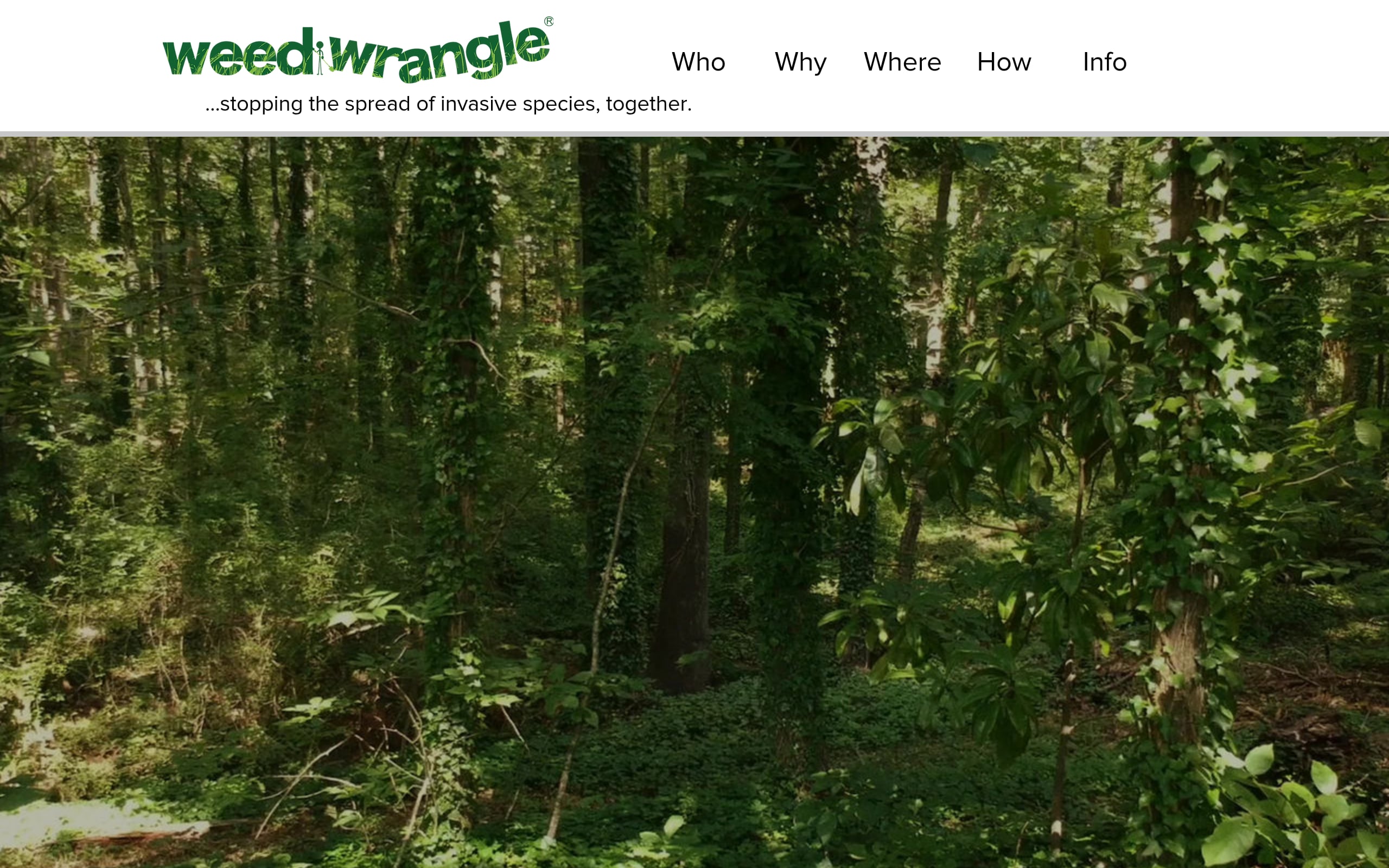
5. Pull Invasive Species
Removing invasives frees space and resources for native species to thrive. Students learn plant ID, restoration techniques, and how local habitats rebound. For grades K to 12 and takes 45 to 90 minutes.
What you'll need:
- Permission to work on the site
- Gloves, long sleeves, sturdy shoes
- Hand trowels or weeders
- Heavy duty bags for disposal
Do this:
- Identify one to two target species within a marked plot.
- Loosen soil and pull from the root crown; bag immediately.
- Cover cleared ground with cardboard and mulch; plant a native replacement.
Think, adapt, and stay safe:
- Key question: How does removal change the habitat over the next month?
- Differentiation: Kindergarten to second grade students do leaf shape sorts, third to fifth grade students measure plot coverage, and middle and high school students map spread and recovery.
- Safety: Wear gloves/long sleeves; be alert for thorns, ticks, or poison ivy.
- Assessment: Photo series and brief progress notes.
Water stewardship and runoff control
Water is our most precious resource, yet it is often threatened by urban pollution and mismanagement of rainfall. This collection of activities focuses on capturing rainwater and protecting local watersheds to ensure a sustainable supply for the entire ecosystem.
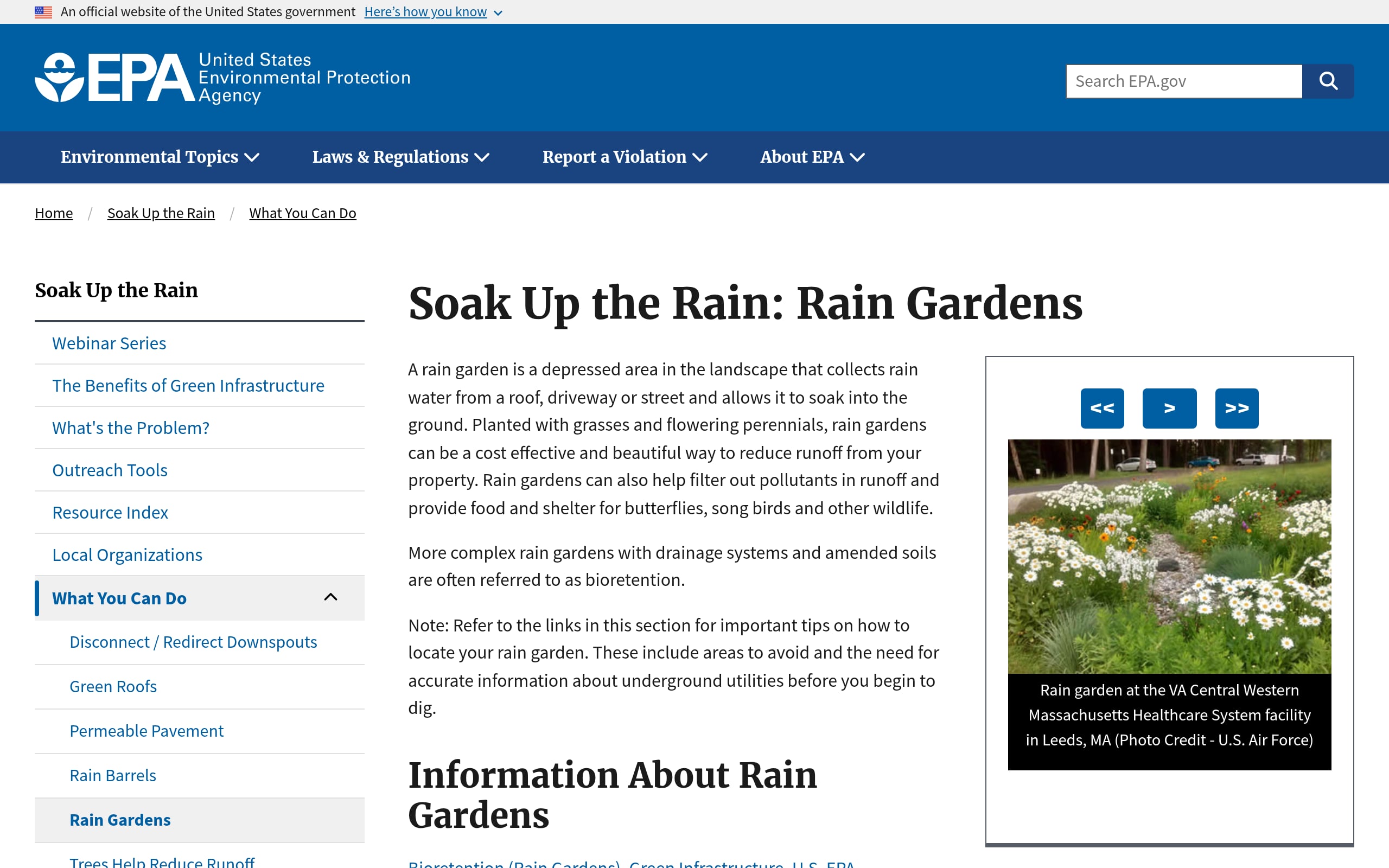
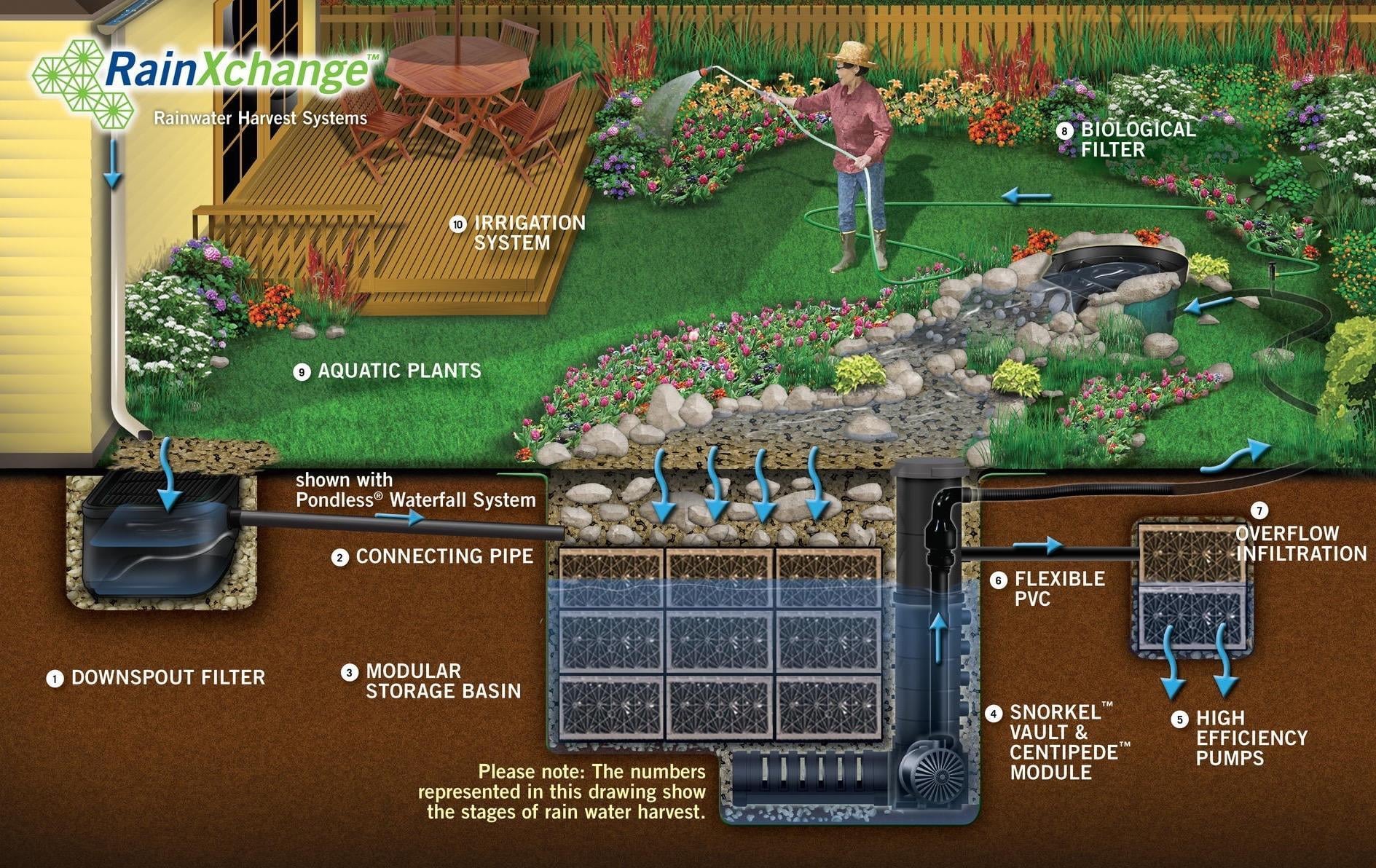
1. Rain Garden
A rain garden slows and soaks stormwater, filtering pollutants while feeding biodiversity. Students design and build a working solution that improves water quality right where they live. For grades 3 to 5 and middle and high school. Takes three to five hours.
What you'll need:
- Site permission and utility locate (call 811)
- Shovels, compost, native plants for wet to dry conditions
- Hardwood mulch
Do this:
- Scout a site 10 or more feet from foundations; test percolation (drains within 24 hours).
- Excavate a shallow basin 6 to 8 inches deep; build a low downhill berm.
- Amend with compost; plant wetter species low, drier species high; mulch two to three inches.
Think, adapt, and stay safe:
- Key question: How will we know the garden is capturing and cleaning runoff?
- Differentiation: Kindergarten to second grade students build a tabletop model, while middle and high school students calculate basin volume and drainage rate.
- Safety: Call 811 before digging; wear gloves and eye protection as needed.
- Assessment: Sketch and data on capture area and plant layout.
2. Harvest The Rain
Engineers at work: by modeling rain capture, students see how slowing and storing water reduces runoff and supports conservation. They build, test, and iterate like real designers. Takes 45 minutes.
What you'll need:
- Recycled bottles or buckets, mesh screen
- Two trays, soil/gravel, cardboard for a slope
- Measuring cup, water
Do this:
- Build two landscapes, one "paved," one soil based. Pour 500 mL of "rain" on each; measure runoff.
- Add a screened bottle as a mini rain barrel; repeat and measure captured water.
- Improve one design to capture more; test again.
Think, adapt, and stay safe:
- Key question: Which design features capture the most rain, and why?
- Differentiation: K to 2 draw what worked. 3 to 5 graph volumes. MS/HS optimize variables and justify tradeoffs.
- Safety: Wipe spills immediately; keep water off electronics.
- Assessment: Design log with data table and iteration notes.
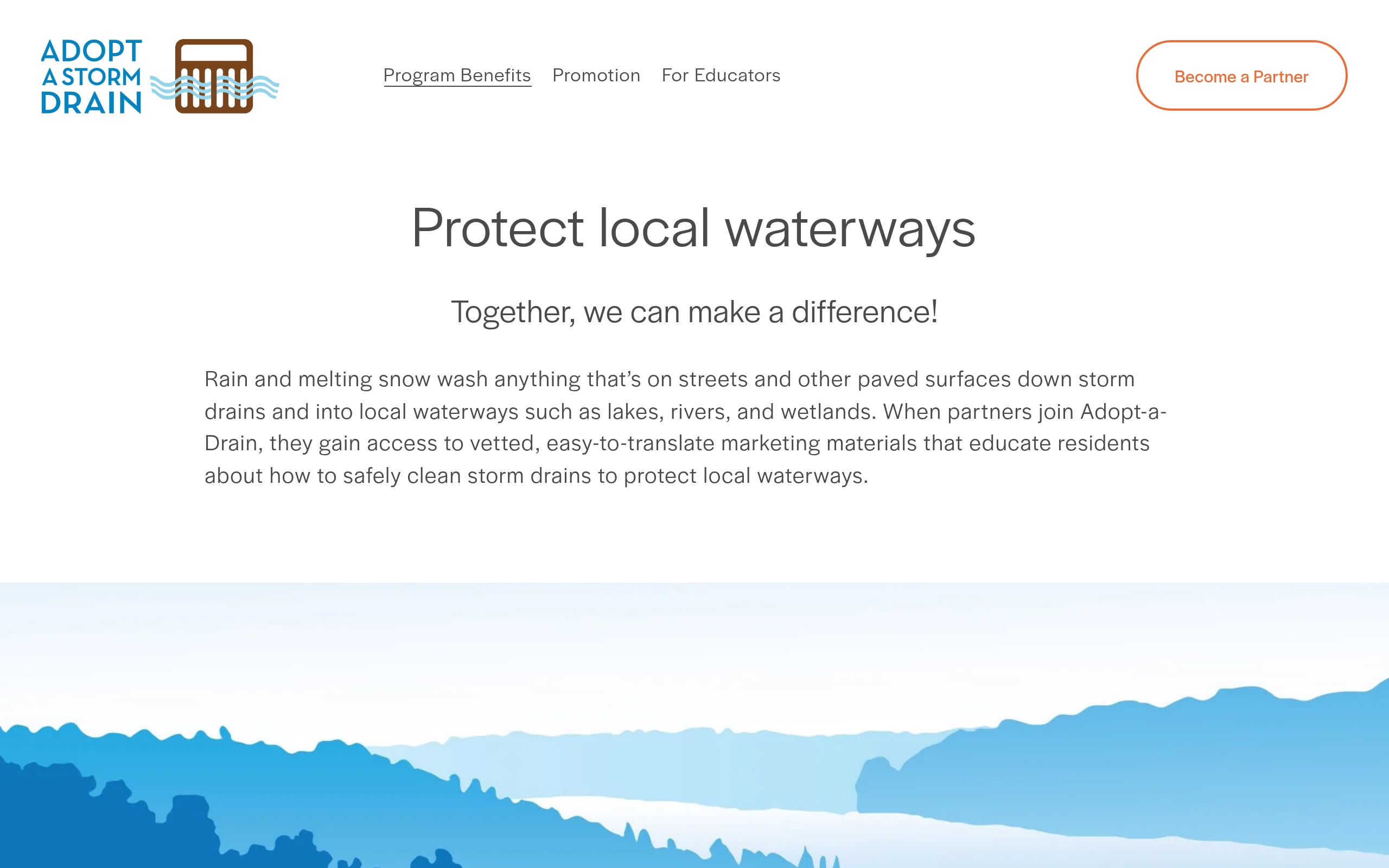
3. Protect Local Waterways by Cutting Down on Polluted Runoff
When rain hits pavement, it carries pollutants into our rivers. Students model a watershed, test solutions, and connect land cover to water quality. For grades 3 to high school and takes approximately 45 minutes.
What you'll need:
- Tray, soil/sand
- Recycled plastic/felt for surfaces
- Spray bottle (rain), cocoa powder (pollutant)
Do this:
- Tilt a tray and shape a mini watershed with soil and a plastic "pavement"; add a pinch of pollutant.
- Spray 250 mL of water to simulate rain; collect and observe runoff.
- Add a buffer (mulch/felt strip) and re test; compare volume and clarity.
Think, adapt, and stay safe:
- Key question: How do different land covers change runoff and pollution?
- Differentiation: K to 2 draw fixes. 3 to 5 compare treatments. MS/HS design fair tests with controls.
- Safety: Use food safe powders; clean up fully; protect eyes from sprays.
- Assessment: Short CER (claim, evidence, reasoning) with data.
Energy and low carbon living
Modernizing our energy consumption is a crucial component in the collective effort to reduce our global carbon footprint. This group of actions explores how to assess personal impacts and transition toward cleaner, more efficient ways of powering our lives and transportation.
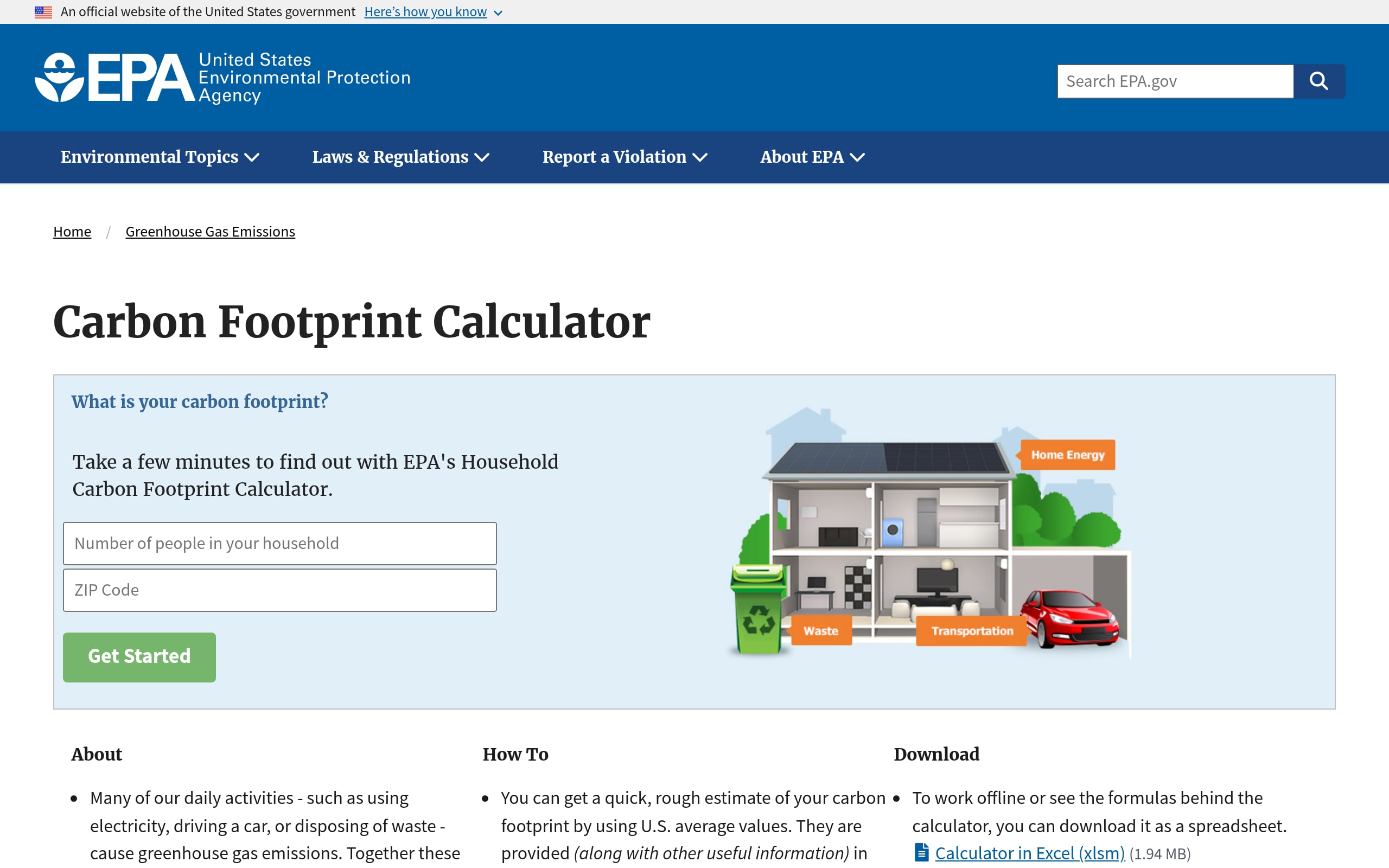
1. Inspect Your Carbon Footprint
Measure what matters: students quantify their carbon footprint, spot top emitters, and plan realistic reductions that add up. For grades 3 to high school and takes 45 to 60 minutes.
What you'll need:
- Online calculator or worksheet
- Sample household data prompts
- Pencils, paper, calculator
Do this:
- Gather data on a typical week's energy, travel, and food habits (personal or sample inputs).
- Estimate total CO2e; identify the top three sources.
- Choose two realistic changes and set a 30 day plan.
Think, adapt, and stay safe:
- Key question: Which choices matter most for cutting our footprint?
- Differentiation: Kindergarten to fifth grade students use picture categories, while middle and high school students compare scenarios and marginal impacts.
- Safety: Use anonymized/sample data; protect privacy.
- Assessment: Action plan with baseline vs. projected savings; optionally, create a quick five question check with the Quiz Generator.
2. Ditch the Fossil Fuel for Clean Electricity
Electrifying daily tasks cuts greenhouse gases and cleans the air. Students identify one fossil fueled activity, research alternatives, and commit to a measurable switch. Takes approximately 45 minutes.
What you'll need:
- Sticky notes, markers, whiteboard
- Calculator and internet access
- Optional: LED bulb for demo
Do this:
- List daily fossil fueled activities and choose one to replace.
- Estimate energy use and potential CO2 savings from an efficient electric alternative.
- Write a specific, time bound plan to make the switch within 30 days.
Think, adapt, and stay safe:
- Key question: How can we switch one fossil fueled task to clean electricity now?
- Differentiation: K to 2 picture sort of "old vs. new". 3 to 5 simple savings math. MS/HS cost benefit and grid mix research.
- Safety: Adult supervision for heat/electricity; follow device guidelines.
- Assessment: Commitment card with target date and metrics.
3. Move with Clean Transit
Choosing walking, biking, or transit slashes emissions and boosts health. Students map routes, set a class goal, and calculate avoided CO2. For grades K to 12. Takes a 45 minute launch and an optional one week log.
What you'll need:
- Chart paper/whiteboard and markers
- Local map or mapping app
- Class travel tally sheet
Do this:
- Survey how classmates travel to school; set a one week clean transit goal.
- Map your route and identify the safest clean option (walk, bike, bus).
- Calculate how much CO2 you'll avoid by using that option for one week.
Think, adapt, and stay safe:
- Key question: How much CO2 can our class avoid this week?
- Differentiation: K to 5 simplify routes and distances. MS/HS analyze equity, access, and infrastructure.
- Safety: Helmets, crosswalks, and buddy systems; follow local guidelines.
- Assessment: Before/after tally and CO2 savings summary.
Education and family friendly activities
Engaging the next generation through creative play and storytelling is key to fostering a lifelong commitment to environmental stewardship. These activities provide accessible, hands on ways for families to learn about conservation and the importance of recycling together.
1. Color an Earth Day Coloring Page
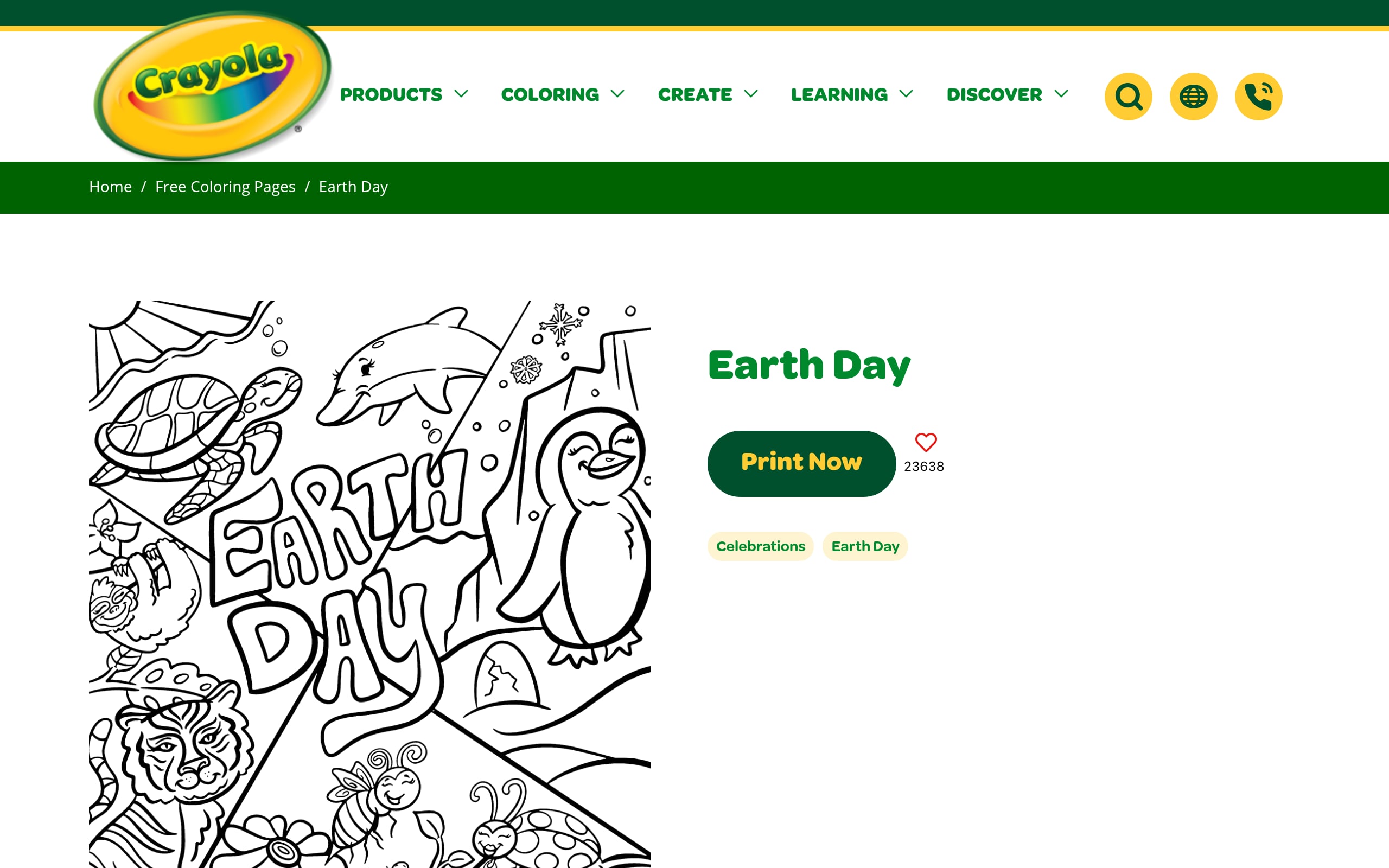
Creativity meets commitment: students color with purpose to spotlight actions that protect air, water, land, and living things, then pledge one change they'll make. Takes approximately 20 minutes.
What you'll need:
- Printed coloring pages
- Crayons or markers, pencil
- Optional: recycled paper scraps, glue, child safe scissors
Do this:
- Find three picture elements that show caring for Earth.
- Color intentionally to highlight planet protecting actions.
- Add a small drawing of one action you will take.
- Write a one sentence pledge and share it.
Think, adapt, and stay safe:
- Key question: How do small choices protect Earth every day?
- Differentiation: K to 2 label pictures. 3 to 5 add captions with cause effect. MS/HS connect images to local issues.
- Safety: Use non toxic supplies; supervise scissor use.
- Assessment: Collect pledges for a class commitment wall.
2. Read an Earth Day-Themed Book
Stories build empathy and spark action. Students connect a book's message to real stewardship steps, practicing main idea, evidence, and purposeful reflection. Takes 20 to 40 minutes plus reflection.
What you'll need:
- An Earth Day themed book (print or digital)
- Sticky notes or recycled paper
- Pencils or markers
Do this:
- Preview the cover/title and predict its Earth Day connection.
- While reading, note two key ideas and one possible action.
- Discuss the main message with a partner, citing evidence.
- Choose one doable action and record it as a pledge.
Think, adapt, and stay safe:
- Key question: What is the book's core message about caring for Earth?
- Differentiation: K to 2 draw key scenes. 3 to 5 write a summary. MS/HS compare texts or evaluate author's argument.
- Safety: Supervise screen time and outdoor reading spots.
- Assessment: One paragraph response with text evidence.
3. Activity 1: How to Save the Planet
From recycling right to saving energy, students identify concrete, high impact actions and commit to one measurable change. They'll practice sorting, data skills, and systems thinking. For grades K to 12 and takes 35 to 45 minutes.
What you'll need:
- Clean household items (paper, plastic, cans)
- Three to four labeled bins (Recycling, Reuse, Trash)
- Sticky notes, markers, pledge cards
Do this:
- Predict and sort mixed items into bins.
- Check local rules; calculate your contamination rate and correct mistakes.
- Brainstorm, then choose one specific, measurable, time bound action.
- Write and share your pledge.
Think, adapt, and stay safe:
- Key question: What small change has the biggest payoff for our planet?
- Differentiation: Kindergarten to second grade students do picture sorting, while middle and high school students do data based prioritization.
- Safety: Use clean items only; sanitize hands after sorting.
- Assessment: Pledge plus baseline vs. follow up check.
4. Make Recycled Crafts
Upcycling turns "trash" into useful tools or art, revealing how design choices reduce waste. Students ideate, build, and explain how their creation helps the planet. Takes approximately 40 to 60 minutes.
What you'll need:
- Clean recyclables (tubes, bottles, boxes)
- Child safe scissors, tape or white glue
- Markers or paint for decoration
Do this:
- Choose a project (e.g., pencil holder) and sketch a quick design.
- Select the best clean, recycled materials.
- Cut, fold, and attach pieces carefully.
- Test it and explain how it reduces waste or replaces a purchase.
Think, adapt, and stay safe:
- Key question: How does upcycling this item reduce waste or resource use?
- Differentiation: Kindergarten to second grade students use templates, third to fifth grade students add design constraints, and middle and high school students include a short life cycle comparison.
- Safety: Adults manage sharp tools/hot glue; protect surfaces.
- Assessment: Short maker's note with purpose and materials list.
Classroom Centers and Themed Learning
Turn your classroom into an Earth Day exploration hub with dedicated learning centers. These stations allow for self paced, hands on learning that reinforces key environmental concepts in a fun and engaging way. Creating a bundle of activities for young learners (K to 2) can make Earth Day a week long thematic unit.
1. Run a Recycling Scavenger Hunt
This active game teaches students to identify recyclable materials in their immediate environment. It turns a lesson on waste sorting into a memorable, hands on challenge. Great for grades K to 5 and takes about 20 to 30 minutes.
What you'll need:
- A list of common recyclable items (e.g., plastic bottle, cardboard tube, aluminum can) with pictures for younger kids.
- Collection bins or bags clearly labeled for paper, plastic, and metal.
- A safe, defined area like a classroom or schoolyard.
Do this:
- Beforehand, place clean, safe recyclable items around the designated area.
- Give each team of students a checklist.
- On your signal, have them search for the items on their list.
- As they find items, they bring them back and sort them into the correct bins.
- The first team to find all their items and sort them correctly wins.
Think, adapt, and stay safe:
- Key question: Why is it important to put these items in the recycling bin instead of the trash?
- Differentiation: Younger students can match pictures, while older students can have lists with more complex items and be asked to identify the recycling symbol.
- Safety: Use only clean, safe items with no sharp edges. Ensure the scavenger hunt area is free of hazards.
- Assessment: A follow up discussion where students name one thing they learned about recycling.
2. Create Earth Day Literacy & Math Centers
Integrate environmental themes directly into your curriculum with dedicated learning centers. These stations allow students to practice core skills while engaging with Earth Day concepts. This is ideal for elementary classrooms.
What you'll need:
- Literacy Center: Earth Day themed books, vocabulary cards (e.g., "reduce," "reuse," "recycle," "compost"), and writing prompts like "Write a letter to the Earth."
- Math Center: Sorting games with natural items (leaves, rocks), worksheets with word problems about recycling, or graphing activities based on classroom waste audits.
Do this:
- Set up distinct stations around the classroom.
- Provide clear instructions at each center.
- Allow students to rotate through the centers in small groups.
- Use this as part of a larger K to 2 Earth Day bundle of activities for a complete thematic unit.
Think, adapt, and stay safe:
- Key question: How can we use reading and math to understand and help our planet?
- Differentiation: Adjust the complexity of tasks at each center for different learning levels. For example, the math center could have simple counting for kindergarteners and percentage calculations for fifth graders.
- Safety: Ensure all materials used are age appropriate and non toxic.
- Assessment: Review the work completed at each center, such as written responses or completed worksheets.
3. Teach a Renewable Energy Lesson
Introduce young students to the concepts of clean energy with a simple, visual lesson. This activity helps K to 2 learners understand the difference between fossil fuels and renewable resources like the sun and wind. Takes about 30 to 40 minutes.
What you'll need:
- Picture cards of energy sources (sun, wind turbine, oil rig, coal).
- A small pinwheel and a fan or hairdryer.
- A solar powered toy or calculator.
- Chart paper and markers.
Do this:
- Start by asking students where power or energy comes from.
- Show the picture cards and sort them into two groups: "Always Here" (sun, wind) and "We Can Use Up" (coal, oil).
- Demonstrate the pinwheel with a fan to show wind power.
- Showcase the solar toy working under a light to demonstrate solar power.
- Create a class chart of "Earth-Friendly Power" sources.
Think, adapt, and stay safe:
- Key question: What are some ways the sun and wind help us?
- Differentiation: Older students can draw or write about one type of renewable energy.
- Safety: Adult supervision is required for using a fan or hairdryer.
- Assessment: Ask students to name one clean energy source at the end of the lesson.
Celebrate Earth Day Every Day
The spirit of Earth Day shouldn't be confined to a single day. We can make a positive impact year round by adopting sustainable habits. Small changes, when practiced consistently, add up to significant results.
- Reduce Water Waste: Turning off the tap while brushing your teeth can save about 80% of the water normally used. Fixing a leaky faucet can save hundreds of gallons a month.
- Conserve Energy: Switching to LED light bulbs uses about 90% less energy than incandescent bulbs and can save a household around $225 per year. Unplugging electronics when not in use also reduces "phantom" energy consumption.
- Embrace Reusables: Using reusable shopping bags, water bottles, and coffee cups drastically reduces single use plastic waste. Roughly 160,000 plastic bags are used every second, but fewer than one in seven are recycled.
- Think Before You Toss: Composting food scraps and yard waste reduces the amount of material sent to landfills, where it produces harmful methane gas. Properly recycling paper, plastic, and glass also conserves resources. Recycling just one ton of paper saves 17 trees.
For educators who want to integrate these concepts into their curriculum, creating engaging materials can be time consuming. Platforms like TeachTools offer AI powered generators for lesson plans, quizzes, and rubrics, making it easier to teach environmental stewardship all year long.
Conclusion
From a small scale teach in to a global movement, Earth Day unites millions in a shared mission to protect our planet. The variety of Earth Day activities available ensures that everyone, regardless of age or ability, can contribute in a meaningful way. By choosing high impact activities and adopting sustainable habits every day, we can work together to ensure a healthy, vibrant planet for generations to come.
Ready to plan your classroom's environmental education? Visit TeachTools to get started.
FAQ
What is the main purpose of Earth Day?
The main purpose of Earth Day is to raise awareness and promote action for environmental protection. It's a day for people worldwide to learn about environmental issues, participate in conservation efforts, and advocate for a healthier planet.
Why is Earth Day celebrated on April 22nd?
The date of April 22nd was chosen for the first Earth Day in 1970 to maximize participation from college students, as the date fell between spring break and final exams.
What are some easy Earth Day activities for schools?
Easy school activities include organizing a campus cleanup, starting a classroom recycling program, planting a small garden or native plants on school grounds, or creating posters to raise environmental awareness. Teachers can also create engaging lesson plans or quizzes about conservation with AI tools from TeachTools.
How did the first Earth Day make a difference?
The first Earth Day in 1970 was a catalyst for significant environmental action in the United States. It led to the creation of the Environmental Protection Agency and the passage of landmark legislation like the Clean Air Act, the Clean Water Act, and the Endangered Species Act.
Can one person's Earth Day activities really have an impact?
Absolutely. While large scale problems require collective action, individual efforts are crucial. Cumulative actions, like reducing personal waste or planting a single tree, have a profound effect. A single mature evergreen tree can intercept up to 15,000 liters of rainfall each year, and a mature broadleaf tree can release 50,000 liters of water back into the atmosphere.
What are good Earth Day activities for businesses?
Businesses can organize employee volunteer days for local cleanups or tree planting, conduct an energy audit to improve efficiency, or host a recycling drive for items like electronics. Promoting sustainable practices within the workplace enhances corporate social responsibility and can boost employee morale.